Visiting temples is an essential part of experiencing Thailand’s rich cultural and spiritual heritage. With over 40,000 temples across the country, it can be overwhelming to choose where to go. To make your trip easier, we’ve compiled a list of 10 must-visit temples that represent the best of Thailand’s religious and architectural landmarks.
Each temple is unique, offering a different glimpse into the country’s vibrant history and culture.
1. Wat Arun (Temple of the Dawn) – Best for Sunset Photography (Bangkok)
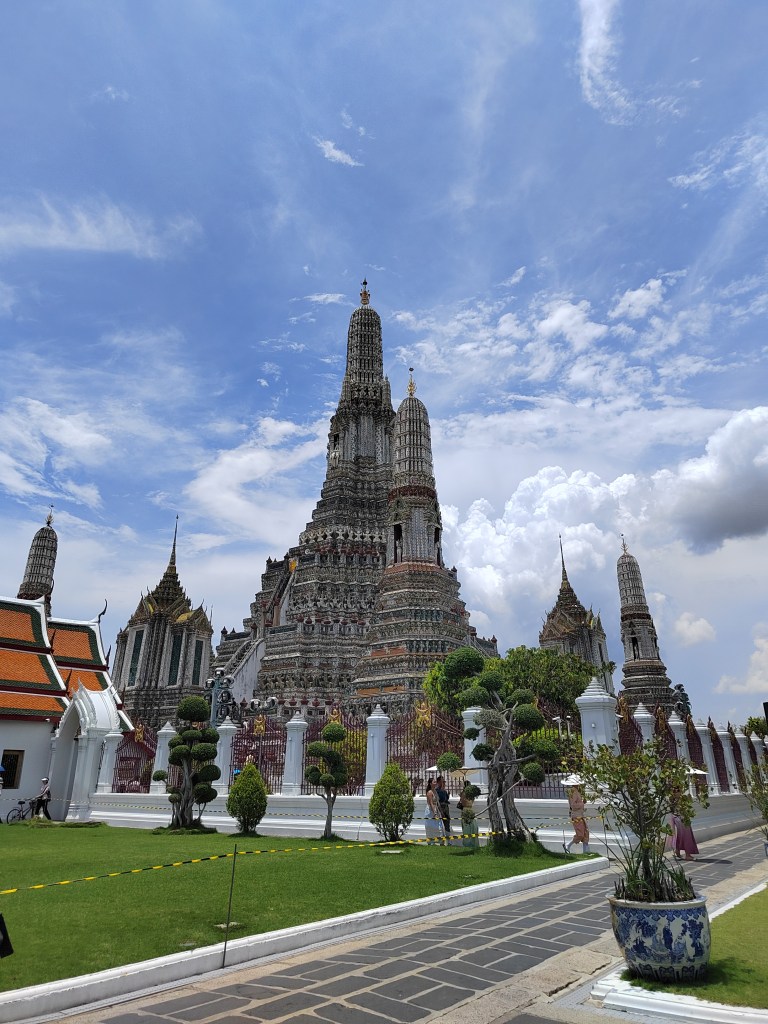
Why Visit? Wat Arun is one of Bangkok’s most iconic landmarks. With its stunning riverside location, it offers a blend of intricate design and natural beauty. The central tower, adorned with colorful ceramic tiles and seashells, makes it a photographer’s dream—especially at sunset.
Tips for Visitors:
- Best Time to Visit: Sunset, when the temple is bathed in golden light.
- Photography Tip: For the best photos, head to a riverside restaurant like Above Riva or Chom Arun, or take a private longtail boat ride for a unique perspective.
- What to Do: Climb the steep steps to the central prang for panoramic views of the river and city.
2. Wat Phra Kaew – The Royal Temple in the Grand Palace (Bangkok)

Why Visit? Wat Phra Kaew is Thailand’s most sacred temple and a symbol of royal power. The Emerald Buddha, made from jade, is the centerpiece, while the surrounding intricate mosaics, golden spires, and murals showcase the pinnacle of Thai artistry.
Tips for Visitors:
- Best Time to Visit: Early morning to avoid crowds and the heat.
- What to Do: Explore the temple’s courtyards and gardens, which provide a peaceful retreat from the bustling palace area.
- Pro Tip: Wear modest clothing—shoulders and knees must be covered.
3. Wat Pho – The Largest Reclining Buddha (Bangkok)
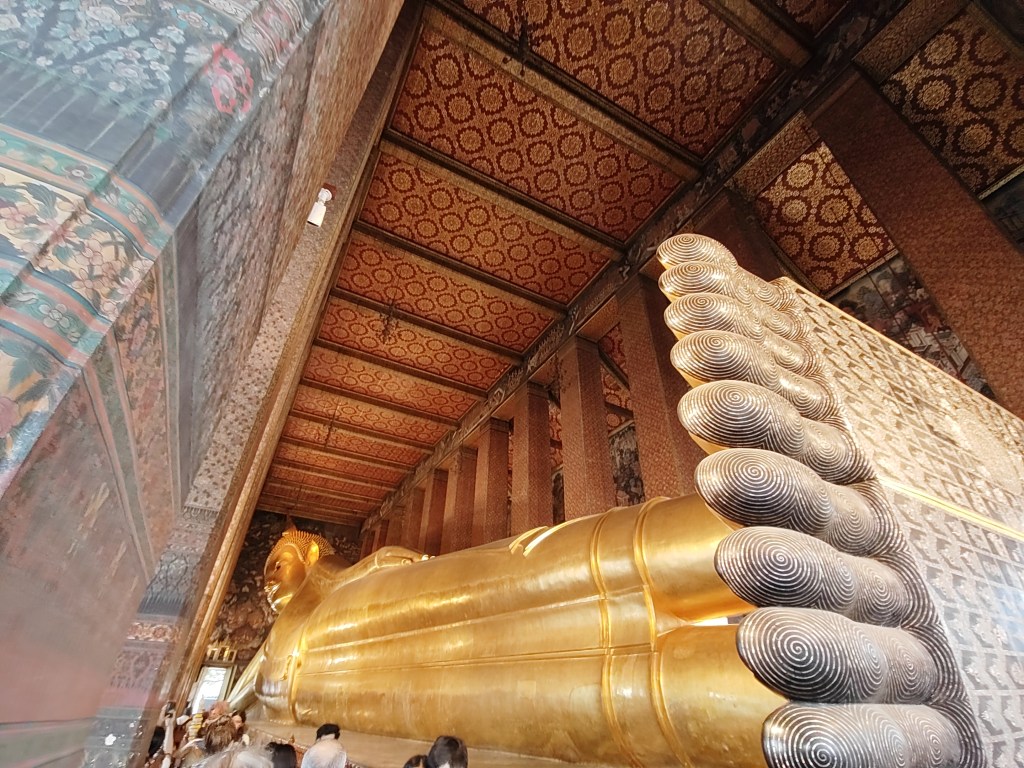
Why Visit? Wat Pho is home to Thailand’s largest reclining Buddha, a golden statue stretching 46 meters long. This massive figure symbolizes the Buddha’s entry into Nirvana. The temple is also famous for being the birthplace of Thai massage, making it a culturally rich experience.
Tips for Visitors:
- Best Time to Visit: Early morning to avoid the crowds.
- What to Do: Don’t miss the chance to enjoy a traditional Thai massage at the temple’s massage school.
- Photography Tip: Capture the Reclining Buddha from different angles to appreciate its full scale.
4. Wat Chedi Luang – The Tallest Ancient Temple (Chiang Mai)
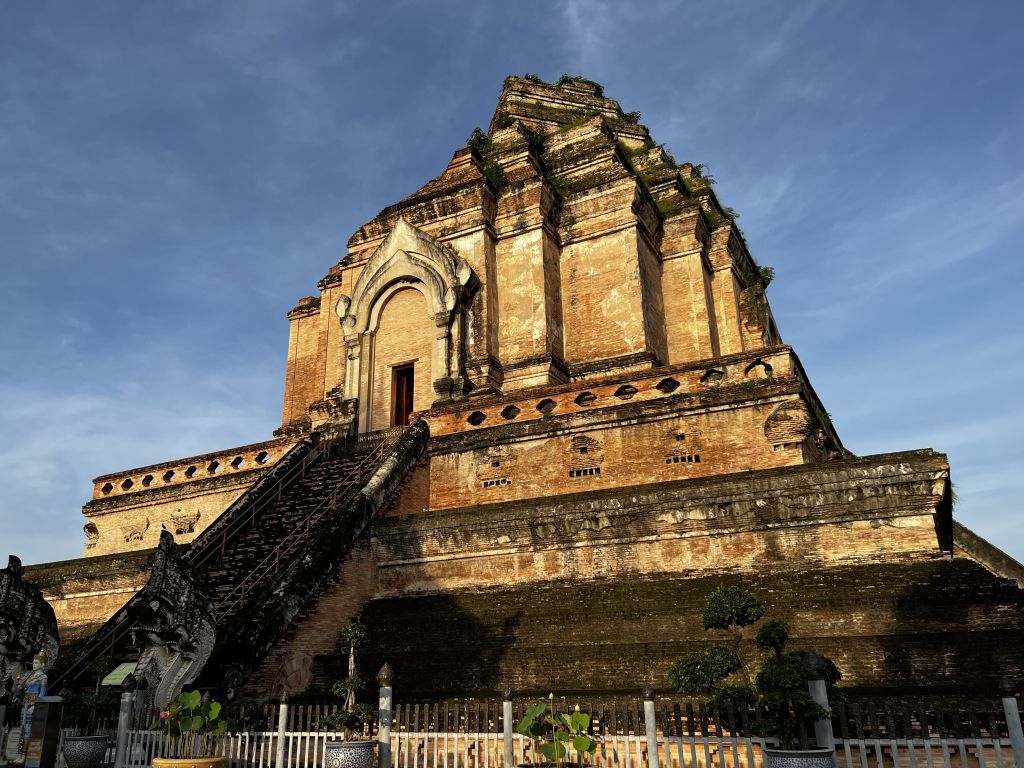
Why Visit? Wat Chedi Luang represents Chiang Mai’s deep historical and spiritual roots. The towering stupa, originally standing at 84 meters, is a key example of Lanna architecture. It’s one of the most significant and impressive temples in the Old City.
Tips for Visitors:
- Best Time to Visit: Late afternoon for a serene atmosphere and to catch the monks’ chanting ceremony at 6 PM.
- What to Do: Explore the city pillar shrine and the ancient sculptures around the temple grounds.
- Photography Tip: The stupa’s grandeur is best captured from a distance to highlight its towering height.
5. Wat Phra Singh – The Most Revered Temple in Chiang Mai

Why Visit? Known for its stunning wood carvings and intricate Lanna architecture, Wat Phra Singh is home to the revered Phra Singh Buddha statue. The temple is a center for Buddhist learning and daily rituals.
Tips for Visitors:
- Best Time to Visit: Early morning or evening to witness monks’ ceremonies.
- What to Do: Spend time exploring the temple’s unique wood carvings and ornate structures.
- Pro Tip: If you’re interested in Buddhism, observe the monks’ daily routines or participate in a chanting session.
6. Wat Phra That Doi Suthep – A Masterpiece of Lanna Architecture (Chiang Mai)
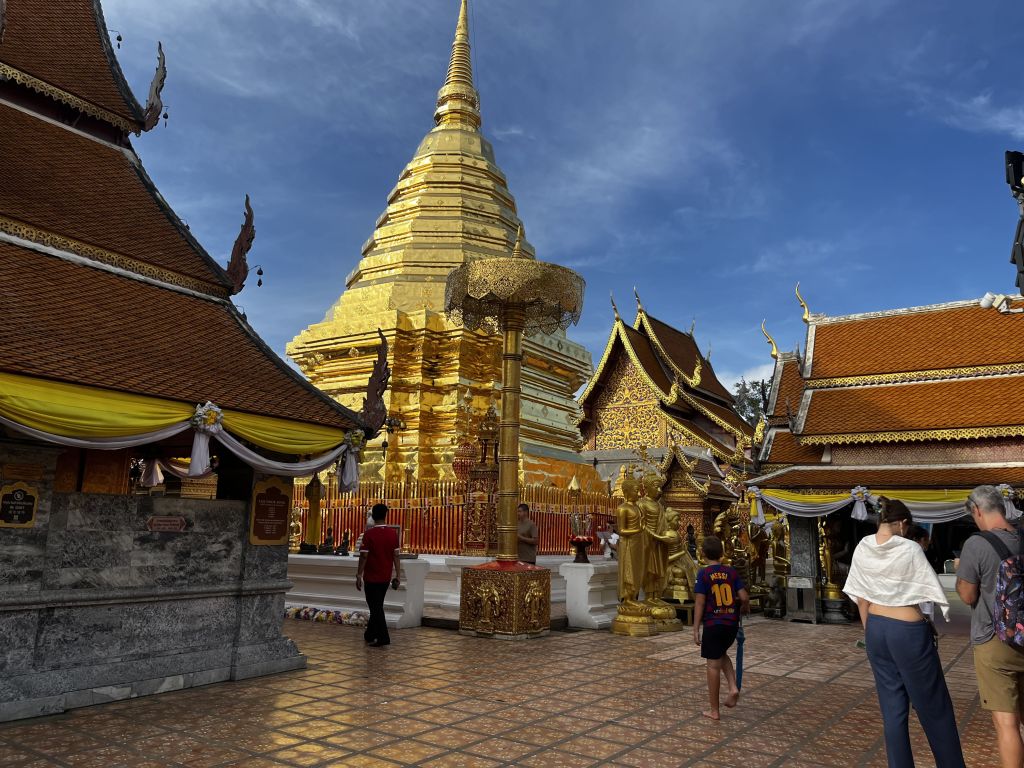
Why Visit? Perched on Doi Suthep Mountain, this temple offers breathtaking views of Chiang Mai. It’s a spiritual landmark and one of the most revered sites in northern Thailand, with its golden stupa and peaceful surroundings.
Tips for Visitors:
- Best Time to Visit: Late afternoon to catch the monks’ chanting session at 5:30 PM.
- What to Do: Take in the panoramic views of Chiang Mai from the temple’s platform.
- Photography Tip: Capture the golden stupa against the backdrop of the lush green mountains.
7. Wat Chai Watthanaram – A Stunning Temple Complex (Ayutthaya)

Why Visit? This stunning temple complex, built during the Ayutthaya period, exemplifies ancient Siamese architecture. Its central tower and surrounding smaller towers represent Mount Meru, the center of the Buddhist universe.
Tips for Visitors:
- Best Time to Visit: Early morning or sunset for the best light and fewer crowds.
- What to Do: Walk around the temple complex and admire the intricate statues and carvings.
- Photography Tip: Capture the beauty of the temple from the riverside for a stunning perspective.
8. Wat Phra Mahathat – The Iconic Buddha Head in Tree Roots (Ayutthaya)
Why Visit? Wat Phra Mahathat is famous for the Buddha head entwined in the roots of a banyan tree—one of the most iconic images of Ayutthaya. This ancient temple also offers a glimpse into Thailand’s rich history.
Tips for Visitors:
- Best Time to Visit: Morning, when the light is softer and the crowds are thinner.
- What to Do: Wander the temple grounds and admire the faded stupas and ancient stone carvings.
- Pro Tip: Take a quiet moment to reflect in the tranquil ambiance of the site.
9. Wat Mahathat in Sukhothai Historical Park – The Largest Temple in the Ancient Empire
Why Visit? Symbolizing the power of the Sukhothai Kingdom, Wat Mahathat is a peaceful temple that offers a deep connection to Thailand’s past. Its large, well-preserved stupas and serene atmosphere make it a hidden gem.
Tips for Visitors:
- Best Time to Visit: Early morning for a peaceful experience with fewer crowds.
- What to Do: Wander through the historical park, where you’ll find ancient sculptures and monuments.
- Pro Tip: Take time to meditate or reflect in the tranquil courtyards.
10. Wat Rong Khun – The Dazzling White Temple (Chiang Rai)
Why Visit? Wat Rong Khun, also known as the White Temple, is a surreal fusion of contemporary art and traditional Buddhist architecture. Its dazzling white exterior and intricate mirror mosaics create a visually striking experience that symbolizes the path to enlightenment.
Tips for Visitors:
- Best Time to Visit: Late afternoon for softer light and fewer crowds.
- What to Do: Explore the murals inside the temple, which blend modern themes with Buddhist teachings.
- Photography Tip: Capture the temple’s reflective surface in the late afternoon light for stunning photos.




 Culture to Know
Leave a comment