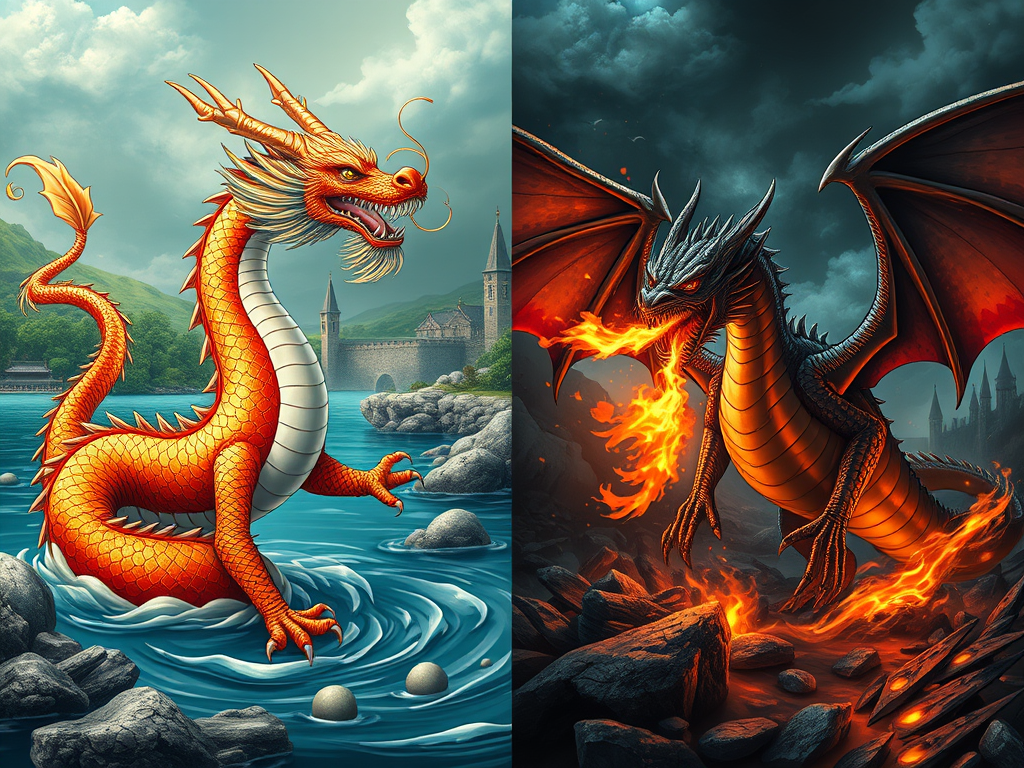
In Chinese culture, the dragon is a mythical creature embodying strength, wisdom, and good fortune. It was long considered the symbol of the emperor, who was believed to be the “Son of Heaven” with the mandate to rule over China. The dragon in the Forbidden City reflects this close association, symbolizing the emperor’s supreme status and the prosperity of his reign.
Content Table:
- Dragons in the Architecture of the Forbidden City
- The Emperor’s Throne: The Dragon Seat
- Dragons in Imperial Ceremonies
- Where to See Dragons in the Forbidden City
- The Legacy of the Dragon in the Forbidden City
Dragons in the Architecture of the Forbidden City
As you explore the Forbidden City, dragons are omnipresent. From the elaborate roof designs to stone carvings on stairways, dragons adorn nearly every corner. These intricate depictions vary in style but are consistent in their symbolic meanings. Dragons can often be found coiled around columns or intricately painted on the walls and ceilings of halls such as the Hall of Supreme Harmony, where the emperor conducted important ceremonies.
The Nine Dragon Screen is another prominent feature that embodies this majestic symbol. Located within the palace complex, this screen is one of three remaining examples of ancient Chinese screen walls. The vibrant glazed tiles form nine intertwined dragons, showcasing the artistry and symbolism tied to these creatures. Each dragon represents strength and power, and together, they convey the emperor’s control over the cosmos.
The Emperor’s Throne: The Dragon Seat
Perhaps the most iconic use of the dragon within the Forbidden City is on the emperor’s throne. Known as the Dragon Throne, it was more than just a seat of power—it symbolized the emperor’s connection to the divine. The dragon carvings on the throne are elaborate, featuring five-clawed dragons, which were exclusively reserved for the emperor. These dragons reinforced the emperor’s absolute authority and his position as the ruler of all under heaven.
Dragons in Imperial Ceremonies
The dragon was also present during many imperial ceremonies. The emperor would often wear robes adorned with dragon motifs, further signifying his divine right to rule. These dragon robes were highly symbolic, with each element of the design reflecting aspects of the emperor’s role. The number of claws on the dragons depicted on these robes was strictly regulated, with the five-clawed dragon being a privilege of the emperor alone.
Where to See Dragons in the Forbidden City
When visiting the Forbidden City, dragons are everywhere, symbolizing the emperor’s power and divine right to rule. Here are key spots where you can see notable dragon motifs and carvings:
1. Hall of Supreme Harmony (Taihe Dian)
This is the largest and most important structure in the Forbidden City, where the emperor held ceremonies. Look for:
- Dragon Throne: The emperor’s throne is richly decorated with five-clawed dragons, a symbol reserved only for him.
- Ceiling: The intricate ceiling above the throne features a large, golden coiled dragon holding a pearl, symbolizing imperial power.
2. Nine Dragon Screen
Located near the Palace of Tranquil Longevity, the Nine Dragon Screen is one of the most famous dragon features in the Forbidden City. This glazed-tile wall displays nine vividly colored dragons, each swirling in a sea of clouds, representing protection and imperial grandeur.
3. Imperial Roof Decorations
The roofs of major halls throughout the Forbidden City, including the Hall of Supreme Harmony and Hall of Central Harmony, feature dragons. On the corners of these roofs, you’ll find mythical roof guardians, including dragons that symbolize protection and authority.
4. The Meridian Gate (Wumen)
As the main entrance to the Forbidden City, the Meridian Gate features dragon carvings and motifs, especially on the beams and walls. This gate was the exclusive entrance for the emperor and carried heavy symbolism with dragon motifs showing the emperor’s connection to the heavens.
5. The Golden Water River Bridges
These five marble bridges span the Golden Water River that runs through the Forbidden City. The bridges are adorned with dragon and phoenix carvings, blending the symbolism of the emperor (dragon) and the empress (phoenix).
6. Dragon Water Spouts
You’ll find numerous dragon head-shaped water spouts along the outer walls of the Forbidden City. These were used to drain rainwater, but their dragon shapes symbolize protection and the emperor’s control over nature.
7. The Hall of Preserving Harmony (Baohe Dian)
This hall, where the emperor prepared for important ceremonies, also has stunning dragon carvings on the beams and walls. Look for these majestic creatures as you walk through the hall and admire the detailed woodwork.
8. The Gate of Heavenly Purity (Qianqing Men)
This gate leads to the emperor’s living quarters. The doors and the gate itself are adorned with dragon symbols, as this part of the Forbidden City was highly exclusive to the emperor and his close family.
9. The Palace of Heavenly Purity (Qianqing Gong)
The emperor’s living quarters feature numerous dragon motifs, especially in the interior decoration. You can spot dragon carvings on wooden panels, beams, and the emperor’s bed.
The Legacy of the Dragon in the Forbidden City
Today, the dragon remains a potent symbol in the Forbidden City, drawing the admiration of visitors from around the world. These majestic creatures not only tell the story of the emperors who once ruled China but also represent a broader cultural reverence for the dragon as a symbol of protection, power, and good fortune. Whether in architectural details or cultural artifacts, dragons continue to evoke awe and wonder in this historic palace.
When you visit the Forbidden City, take time to appreciate the intricate dragon motifs that have been preserved for centuries. Each dragon you see is a reminder of the emperor’s once-mighty rule and the deep cultural significance dragons hold in Chinese tradition.



 Culture to Know
Leave a comment