As Singapore prepares to welcome the Lunar New Year, the air is filled with anticipation and joy, signaling the arrival of one of the most celebrated festivals in the Lion City.
Chinese New Year, a time of unity, prosperity, and cultural richness, is also a feast for the senses, especially when it comes to the culinary delights that grace dinner tables and family gatherings.
In this article, we’ll explore the traditional foods that play a central role in the Chinese New Year celebrations in Singapore.
1. Yu Sheng (Prosperity Toss):
The festivities kick off with the vibrant and symbolic Yu Sheng, a colorful salad featuring raw fish, shredded vegetables, and an assortment of sauces. The act of tossing the ingredients high into the air during the “lo hei” ceremony is believed to bring prosperity and good fortune to those partaking in this lively tradition.
2. Nian Gao (Sticky Rice Cake):
No Chinese New Year celebration is complete without Nian Gao, a sweet and sticky rice cake that symbolizes the promise of a “higher year” or increased prosperity. Pan-fried to perfection, this treat is enjoyed by families as they usher in the New Year.
3. Jiaozi (Dumplings):
Dumplings, or Jiaozi, are a staple during the reunion dinner, symbolizing wealth and prosperity due to their resemblance to ancient Chinese currency. These crescent-shaped delights are filled with minced meat, vegetables, or seafood, bringing a sense of togetherness and good fortune to the dining table.
4. Fish:
A centerpiece of many Chinese New Year feasts, whole fish, whether steamed or braised, symbolizes abundance and prosperity. The word for fish, “yu,” sounds similar to the word for surplus, making it a dish that represents wishes for surplus wealth and good fortune in the coming year.
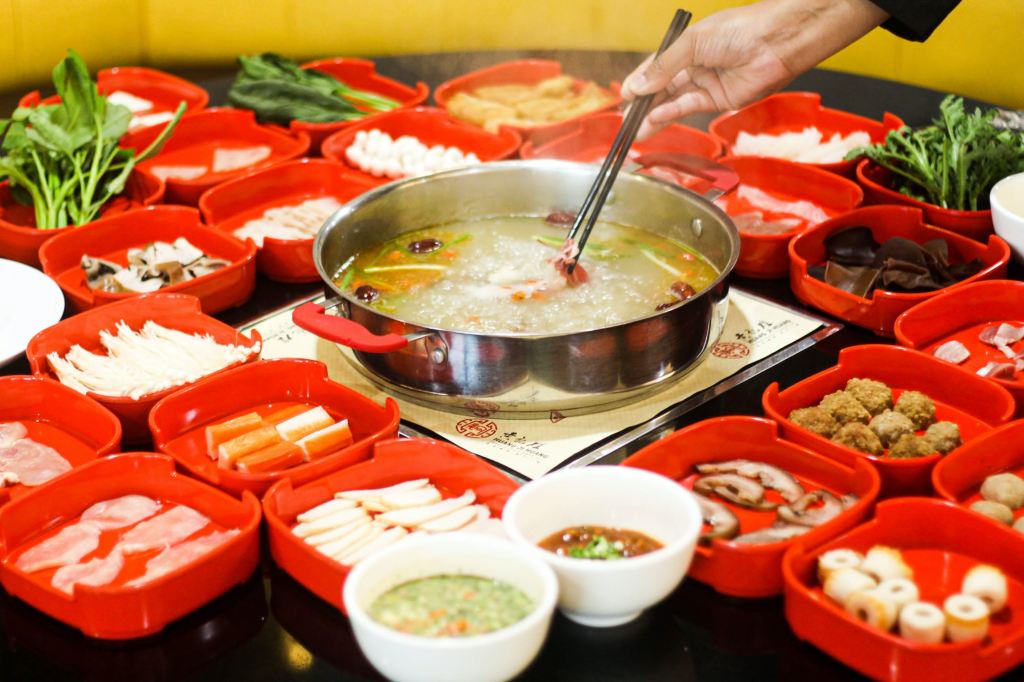
5. Pen Cai (Prosperity Pot):
Pen Cai, a luxurious one-pot dish, signifies abundance and wealth. Filled with premium ingredients such as abalone, sea cucumber, prawns, and mushrooms, this dish is a celebration of opulence and prosperity shared among family and friends.
6. Tang Yuan (Sweet Glutinous Rice Balls):
Sweet and chewy Tang Yuan, filled with sweetened black sesame paste, peanut butter, or red bean paste, symbolize family togetherness and completeness. These delightful rice balls are shared as a symbol of unity and sweet blessings for the New Year.
7. Longevity Noodles:
Longevity noodles, unbroken and lengthy, symbolize a wish for a long and prosperous life. Often served during Chinese New Year, these noodles bring a sense of continuity and good fortune to those who partake in this symbolic dish.
8. Turnip Cake (Radish Cake):
Turnip Cake, made from shredded radish and rice flour, is a savory delight often pan-fried until crispy. Symbolizing prosperity and progress, this dish is a culinary wish for a year filled with abundance and positive developments.
9. Spring Rolls:
Crispy spring rolls, filled with a mixture of vegetables, meat, or seafood, symbolize wealth and prosperity. The shape of spring rolls resembles gold bars, making them a popular choice for those seeking good fortune during Chinese New Year celebrations.
10. Pineapple Tarts:
Pineapple tarts, small pastries filled with pineapple jam, are a sweet indulgence. The pineapple’s Hokkien name, “ong lai,” translates to “prosperity has arrived,” making these delectable treats a symbol of good fortune and abundance.
As Singaporeans come together to celebrate Chinese New Year, the dining table becomes a reflection of cultural heritage, tradition, and the collective hope for a prosperous and joyful year ahead. These symbolic foods not only tantalize the taste buds but also serve as a reminder of the rich tapestry of customs and celebrations that define this festive season in the Lion City.




 Culture to Know