
Chinese New Year, also known as the Spring Festival or Lunar New Year, is one of the most important and widely celebrated festivals in China and other East Asian countries. Steeped in rich traditions and cultural significance, this festive occasion marks the beginning of the lunar new year.
Here are the top 15 Chinese New Year facts that illuminate the customs and rituals surrounding this joyous celebration.
1. Lunar Calendar Basis
Chinese New Year is intricately linked to the lunar calendar, determining its date to fall between January 21 and February 20 each year. This dependence on lunar cycles adds a dynamic aspect to the celebration.
2. Symbolic Animal Zodiac
In the 12-year Chinese zodiac cycle, each year corresponds to an animal sign. For instance, the upcoming Year of the Water Rabbit in 2023 carries specific traits and influences associated with that zodiac symbol.
3. Reunion Dinner
The eve of Chinese New Year is marked by a heartfelt reunion dinner. Families gather to share a special meal featuring symbolic dishes that express wishes for prosperity, good luck, and longevity in the coming year.
4. Red Envelopes (Hongbao)
The exchange of red envelopes, known as “hongbao,” filled with money is a customary practice during Chinese New Year. These envelopes are often given to children and unmarried individuals as a gesture of good luck and blessings.
5. Fireworks and Lion Dances
Fireworks play a significant role in Chinese New Year celebrations, believed to scare off evil spirits. The lively and colorful lion dances are performed to bring good luck and prosperity to the community.
6. Spring Cleaning Tradition
Prior to the New Year, families engage in a thorough spring cleaning. This tradition symbolizes the sweeping away of accumulated bad luck, making space for the arrival of good fortune and positive energy.
7. Dragon Parades
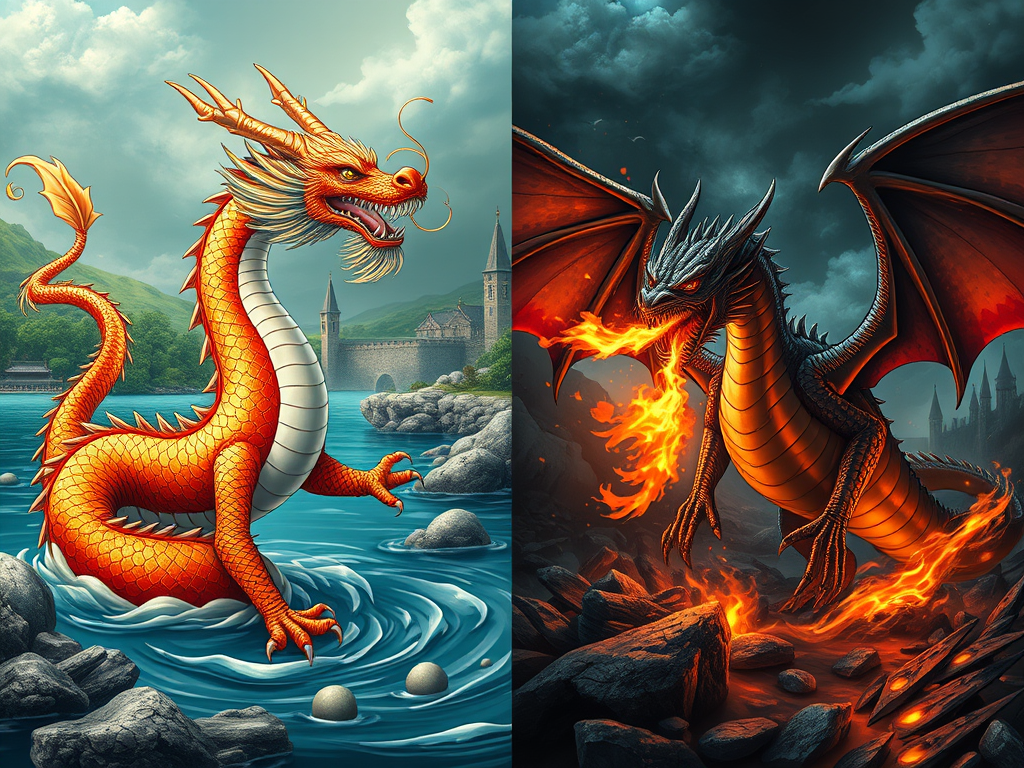
Dragon parades, featuring long and colorful dragons operated by teams of dancers, are a captivating sight during Chinese New Year. These processions symbolize strength, auspiciousness, and good fortune for the community.
8. Festival Decorations
The color red dominates Chinese New Year decorations, symbolizing good luck and happiness. Homes and public spaces are adorned with red lanterns, couplets with auspicious phrases, and other symbols to create a festive atmosphere.
9. Dumplings and Tangyuan
Culinary traditions are significant during the festival. Dumplings, shaped like gold ingots, are believed to bring wealth. Tangyuan, sweet rice balls, symbolize family unity and completeness.
10. Festival Duration
Chinese New Year extends beyond a single day; it spans 15 days, concluding with the Lantern Festival. Each day holds unique customs, including family visits, ancestor worship, and participation in cultural events.
11. Kitchen God Worship
Before the New Year, families worship the Kitchen God, a deity overseeing the household. This practice ensures a favorable report on the family’s activities to the Jade Emperor, bringing blessings for the coming year.
12. New Year’s Eve TV Gala
The CCTV New Year’s Gala is a beloved tradition, captivating millions with a televised variety show featuring diverse performances, comedic skits, and celebrity appearances.
13. Nian Monster Legend
The legend of the Nian Monster explains the use of loud noises and the color red during the festival. It is believed that these elements scare away the mythical creature, preventing it from causing harm.
14. Yuanxiao Festival
The Lantern Festival, also known as Yuanxiao Festival, marks the conclusion of Chinese New Year. Families gather to enjoy lantern displays, solve riddles, and partake in sweet rice dumplings called yuanxiao.
15. CNY Global Celebrations
Chinese New Year’s celebration is not confined to China; it is observed globally. Parades, festivals, and cultural events in various countries underscore the festival’s universal significance, transcending cultural boundaries and showcasing its impact worldwide.



 Culture to Know