
Chinese New Year, also known as the Spring Festival, is one of the most significant and widely celebrated festivals in the Chinese culture. The festival marks the beginning of the lunar new year and is a time for family reunions, festive meals, and vibrant decorations.
Rich in cultural symbolism, the decorations used during Chinese New Year play a crucial role in bringing good luck, prosperity, and happiness. Let’s explore some of the key decorations and symbols associated with this auspicious celebration.
1. Red Lanterns
Red is a dominant color during Chinese New Year as it symbolizes good luck and prosperity. Red lanterns are a ubiquitous sight, adorning streets, homes, and businesses. The soft glow of these lanterns is believed to drive away evil spirits, creating a warm and welcoming atmosphere. They are often hung in multiples to create a visually stunning display.
2. Couplets (Chunlian)
Chunlian are traditional Chinese New Year couplets, consisting of pairs of poetic lines written on red paper. These poetic phrases express good wishes, happiness, and prosperity for the upcoming year. Families display these couplets on their doors or walls to invite positive energy into their homes.
3. Fu Character
The character “福” (Fu), meaning good fortune or happiness, is a common symbol during Chinese New Year. It is often seen upside down on doors or windows. The reason for this is a play on words: “upside down” in Chinese sounds like “arrive,” so an upside-down Fu character symbolizes the arrival of good fortune.
4. Chinese Knots
Intricately tied knots made from red cords or threads, known as Chinese knots, are popular decorations. These knots symbolize good luck, longevity, and prosperity. They are often used as wall hangings or window ornaments, adding a touch of elegance to the festive atmosphere.
5. Paper Cuttings:
Delicate paper cuttings with intricate designs are another traditional decoration for Chinese New Year. These cutouts often depict symbols of wealth, happiness, and good fortune. They are displayed on windows to usher in positive energy and ward off evil spirits.
6. Dragons and Lions
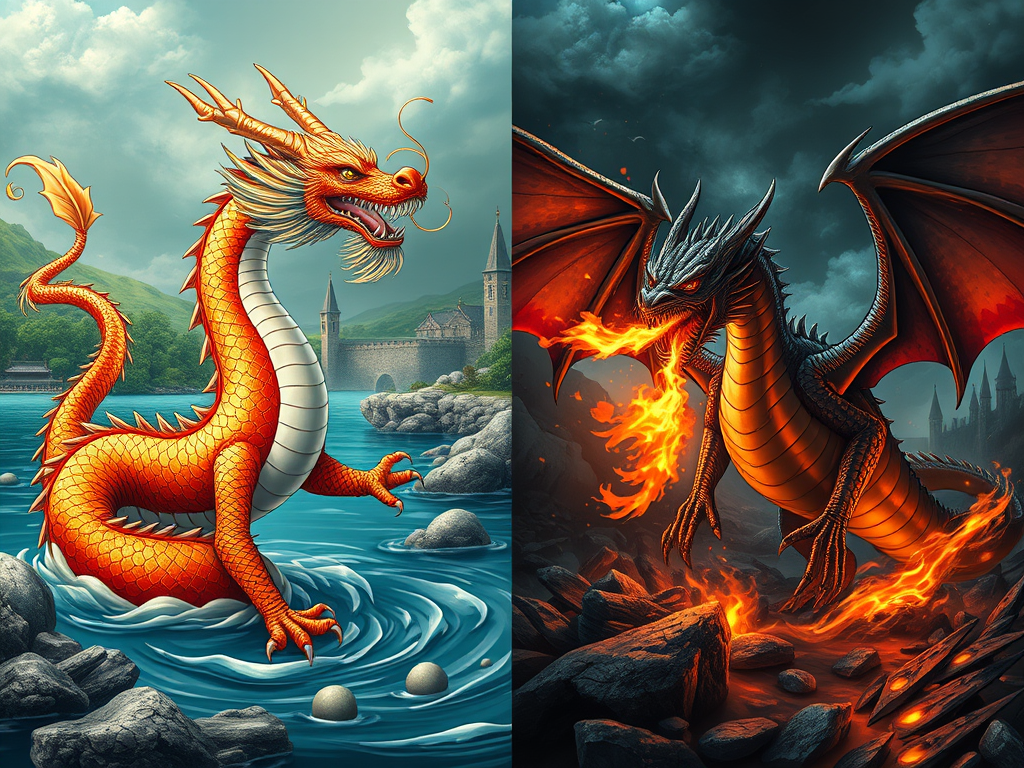
Traditional lion and dragon dances are performed during Chinese New Year to ward off evil spirits and bring good luck. Miniature representations of these creatures are also used as decorations. The dragon, a symbol of strength and power, is believed to bring prosperity, while the lion is associated with courage and good fortune.
7. Oranges and Tangerines
Citrus fruits, particularly oranges and tangerines, are popular symbols of wealth and prosperity. The Chinese words for orange and gold sound similar, and the act of giving and receiving these fruits is considered an auspicious gesture. They are often displayed in homes as a symbol of good fortune.
Conclusion:
Decorating for Chinese New Year is not just a visual enhancement but a meaningful expression of cultural beliefs and wishes for the year ahead. Each ornament and symbol carries a unique significance, contributing to the festive and auspicious atmosphere that defines this joyous celebration. As families come together to mark the beginning of the lunar new year, these decorations serve as a visual reminder of hope, prosperity, and the promise of a brighter future.



 Culture to Know
Leave a comment