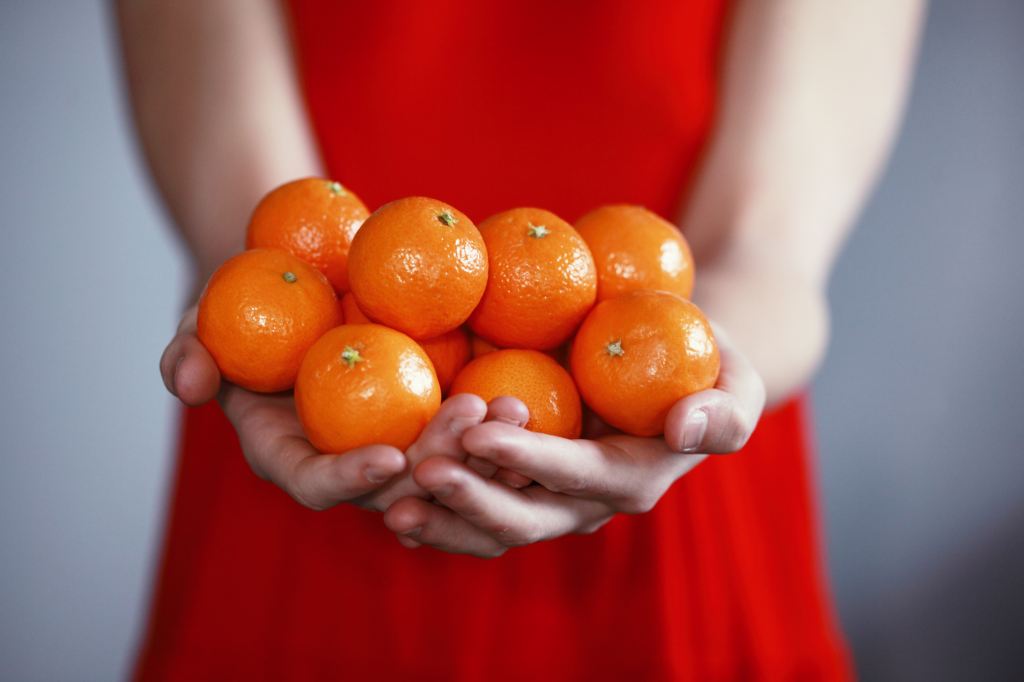
Chinese New Year, also known as the Spring Festival or Lunar New Year, is one of the most significant and widely celebrated festivals in Chinese culture. A crucial aspect of this festive occasion is the attire worn by individuals to mark the beginning of a new lunar year.
Chinese New Year clothing is not merely a matter of style; it is deeply rooted in tradition, rich symbolism, and has evolved over the years to incorporate modern trends.
Significance of New Clothes
The significance of wearing new clothes during Chinese New Year is rooted in the belief that it brings good fortune and drives away evil spirits. It is seen as a way to start the year with a clean slate and to invite positive energy into one’s life.
The act of putting on new clothes symbolizes renewal, prosperity, and the anticipation of a prosperous year ahead. Many people invest time in selecting and preparing their Chinese New Year wardrobe, considering it an essential part of the festive preparations.
When to Wear Chinese New Year Clothes
The tradition of wearing new clothes during Chinese New Year is deeply ingrained in the culture. It is customary to don these special garments on the eve of the Lunar New Year, symbolizing a fresh start and the casting away of old, negative energies.
The first day of the new year is particularly significant, and individuals often wear their best attire for family gatherings, visits to temples, and other festive activities.
Traditional Chinese Attire
Chinese New Year clothing traditionally includes garments that reflect the cultural heritage of the wearers.
For men, the classic choice is the Changshan (long robe) or Tangzhuang (a two-piece suit with a straight-cut top).
Women often opt for the elegant Qipao or Cheongsam, a form-fitting dress with high collars and intricate embroidery.
These traditional garments are adorned with auspicious symbols and colors, such as red, gold, and bright patterns, symbolizing prosperity, good luck, and happiness.
Symbolism in Colors and Patterns
Colors play a crucial role in Chinese New Year clothing, with red being the most prominent. Red symbolizes good luck, happiness, and prosperity in Chinese culture.
Gold and yellow are also popular choices, representing wealth and good fortune. Traditional patterns, such as dragons, phoenixes, and floral designs, are often incorporated into the fabric to convey positive messages and celebrate the renewal of life.
Modern Fusion
In recent years, there has been a notable shift towards modern and fusion designs for Chinese New Year clothing. Younger generations are embracing a blend of traditional elements with contemporary fashion trends.
Designers are experimenting with different silhouettes, fabrics, and colors, creating a fusion that allows individuals to express their cultural identity in a more diverse and personalized way.
Accessories and Embellishments
Accessories play a crucial role in completing the Chinese New Year look. Traditional accessories like jade jewelry, red envelopes (hongbao), and ornate hairpieces are often incorporated.
These accessories not only enhance the overall appearance but also hold cultural significance, contributing to the festive atmosphere.
Taboos About Chinese New Year Clothes
While there are numerous positive connotations associated with Chinese New Year clothing, there are also taboos to be mindful of.
Wearing dark or somber colors is generally avoided, as they are associated with mourning and may bring negative energy. Additionally, it’s considered inauspicious to wear old or tattered clothes during the festival, as it may symbolize a lack of respect for the new year and the traditions associated with it.
Another important taboo is the avoidance of sharp objects or accessories with sharp edges in one’s attire. This is believed to ward off potential harm and ensure a smooth and safe transition into the new year.
It’s also common to refrain from gifting shoes during this time, as the word “shoe” sounds similar to the word for “rough” in Chinese, implying a wish for a difficult journey.



 Culture to Know