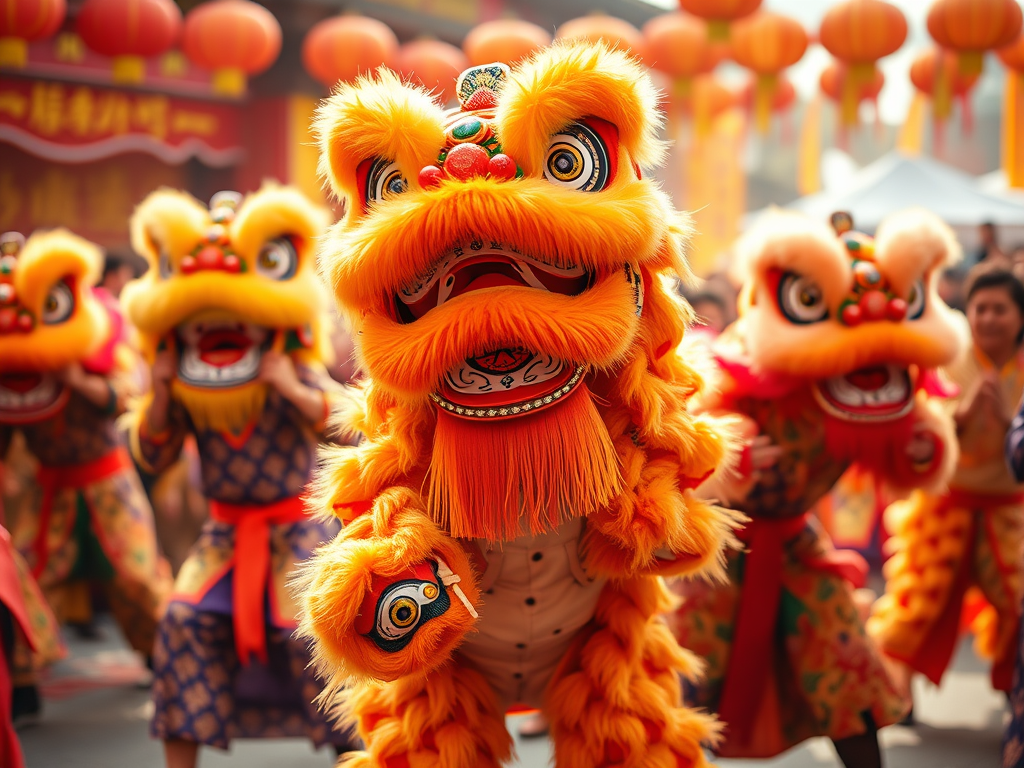
The Chinese Lion Dance is a stunning performance that combines tradition, artistry, acrobatics, and deep cultural symbolism. Originating in ancient China, the Lion Dance has become a prominent feature in Chinese New Year celebrations, business openings, weddings, and various festive events. With its dynamic movements and vibrant costumes, the Lion Dance captivates audiences around the world, symbolizing strength, good fortune, and the drive to ward off evil spirits.
Content Table:
- The Origins and Cultural Significance
- The Performance: A Dynamic Display of Skill and Coordination
- The Costumes: A Visual Feast of Symbolism and Craftsmanship
- Regional Variations: A Diverse Cultural Art Form
- The Lion Dance vs. the Dragon Dance
- Preserving Tradition and Modern Adaptations
- Where to Experience the Chinese Lion Dance
The Origins and Cultural Significance
The roots of the Chinese Lion Dance date back over a thousand years, with its origins in the Tang Dynasty (618–907 AD). Initially, the dance was performed to scare away the mythical beast Nian, which was believed to devour crops and terrorize villagers during the Chinese New Year. In time, the Lion Dance evolved into a cultural expression of joy, used in various celebrations to bring good fortune, prosperity, and blessings.
In Chinese culture, the lion symbolizes courage, strength, and the ability to conquer evil. As a result, the Lion Dance has become a staple in many important events, from weddings to business openings, where it is believed to usher in wealth and happiness.
The Performance: A Dynamic Display of Skill and Coordination
The Lion Dance is a lively and synchronized performance that requires tremendous skill and coordination. Traditionally, the dance involves two performers who control the lion costume—one managing the head and front legs, while the other controls the tail and hind legs. The performers move in unison, mimicking the playful, curious, or even fierce nature of a lion.
The performance is accompanied by the rhythmic beats of drums, cymbals, and gongs, which not only set the pace but are also believed to drive away evil spirits. The lion often interacts with the audience, engaging in playful antics or “eating” lettuce or oranges (known as “caiqing”), symbolizing good luck, prosperity, and a blessing for wealth.
One of the most thrilling elements of the dance is the “lion leap,” where the performers showcase their acrobatic prowess by jumping onto high platforms or poles, often while maintaining perfect synchronization.
The Costumes: A Visual Feast of Symbolism and Craftsmanship
The lion costumes used in the performance are not just eye-catching; they are rich in meaning and craftsmanship. Typically made from bamboo, rattan, and papier-mâché, the lion head is intricately decorated with bright colors, sequins, and fur. The body of the lion is often covered in fabric adorned with bells and other decorative elements, adding to the visual spectacle.
The colors used in the costumes are significant:
- Red: Symbolizes courage and joy, as well as the ability to dispel evil.
- Green: Represents harmony and friendship.
- Gold: Signifies wealth, prosperity, and good fortune.
Different regions may have variations in the lion design, with southern Chinese lions often being more elaborate and playful, while northern lions tend to be more stoic and martial in their expression.
Regional Variations: A Diverse Cultural Art Form

While the Lion Dance shares a common theme of warding off evil and bringing good fortune, different regions in China—and even worldwide—have developed their unique interpretations of the dance. The most prominent styles are:
- Southern Lion Dance: Known for its acrobatic movements and lively interaction with the audience, this style is often performed during Chinese New Year celebrations. The southern lion is more colorful and detailed, with the head resembling a traditional lion more closely.
- Northern Lion Dance: This style is more focused on martial arts movements and strength, with the performers showcasing powerful gestures. The lion costume is typically more realistic and resembles the traditional lion more closely.
These regional differences add a rich diversity to the Lion Dance, making it an exciting and evolving cultural art form.
The Lion Dance vs. the Dragon Dance
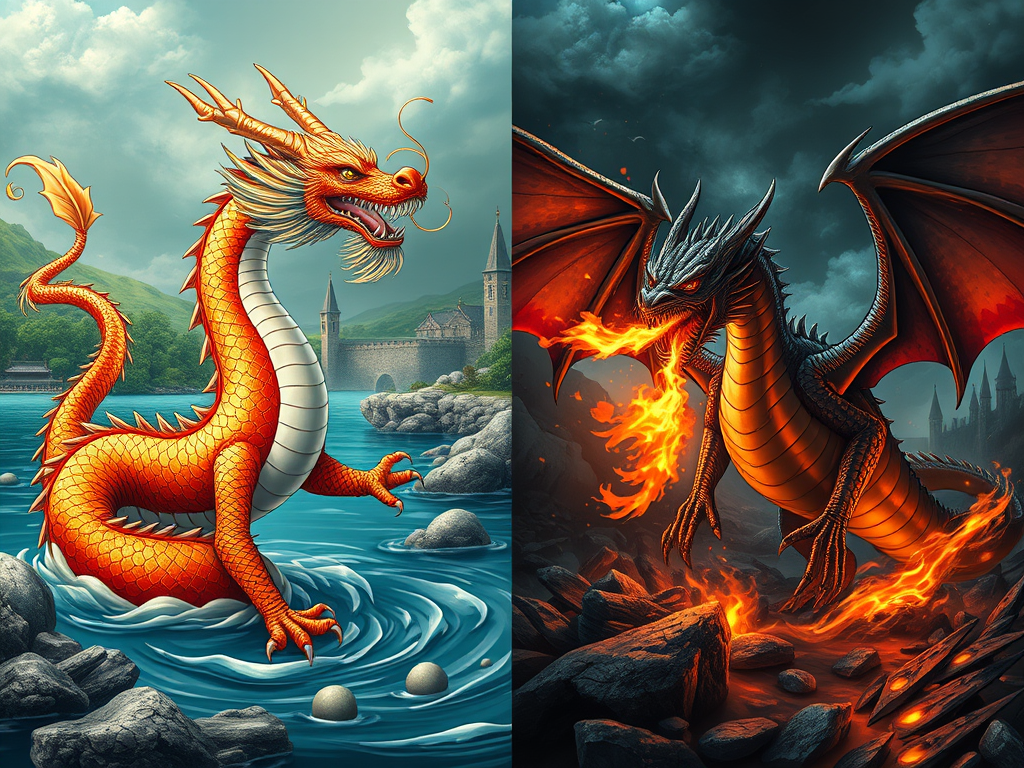
While both the Lion Dance and Dragon Dance are iconic Chinese cultural performances, they are distinct in their symbolism, performance styles, and the roles they play in celebrations.
- The Lion Dance: As discussed, the Lion Dance symbolizes strength, courage, and the ability to ward off evil spirits. It typically involves two performers inside a lion costume and is known for its dynamic acrobatic moves, including jumps and leaps. The lion is often more interactive with the audience, “eating” symbolic items like lettuce or oranges, which is a gesture for good fortune.
- The Dragon Dance: In contrast, the Dragon Dance involves a much longer dragon figure, which is usually carried by a team of dancers holding poles. The dragon is a symbol of power, wisdom, and good fortune, and it is typically seen as a more majestic, flowing, and serpentine performance compared to the lion’s agility. The Dragon Dance is often performed during parades, with the dragon moving through the streets in a continuous wave-like motion, mimicking the creature’s legendary movements. It is a symbol of harmony, and is associated with bringing rain, prosperity, and happiness.
In short, the Lion Dance focuses on a more energetic and acrobatic display, while the Dragon Dance is longer, more fluid, and often seen in larger processions. Both are deeply symbolic and integral to Chinese festivities, but they represent different aspects of Chinese folklore and culture.
Preserving Tradition and Modern Adaptations
In the modern era, efforts are being made to preserve the tradition of the Chinese Lion Dance while adapting it to contemporary tastes. Many schools and community organizations now offer classes to train young performers, ensuring the next generation inherits this cultural heritage. At the same time, the Lion Dance has evolved to incorporate new technologies, such as LED-lit costumes, adding a modern flair to traditional performances.
In recent years, competitive Lion Dance events have become popular, showcasing incredible acrobatics, choreography, and martial arts skills. These competitions attract talented performers from around the world, and cities with large Chinese communities, like San Francisco, Sydney, and Hong Kong, host exciting Lion Dance tournaments.
Where to Experience the Chinese Lion Dance
The Chinese Lion Dance can be seen at a variety of events, with the most notable being:
- Chinese New Year: The most iconic time to see the Lion Dance, especially in major cities like Beijing, Hong Kong, Singapore, and throughout Chinatown in cities like New York and London. The performance is an essential part of the New Year festivities, symbolizing a fresh start and new beginnings.
- Business Openings and Weddings: The Lion Dance is often performed at grand openings of businesses or new ventures, as well as during weddings, to bring good luck and prosperity to the hosts.
- Cultural Festivals: Internationally, the Lion Dance is a popular attraction during festivals and parades celebrating Chinese culture. In cities such as San Francisco, Vancouver, and Sydney, the dance is a highlight of Lunar New Year celebrations and other cultural festivities.
For a truly spectacular experience, consider visiting competitive Lion Dance events, where performers demonstrate their acrobatic skills, often leaping between high poles or performing intricate choreographies.s that connect us to the past and shape our collective future.



 Culture to Know