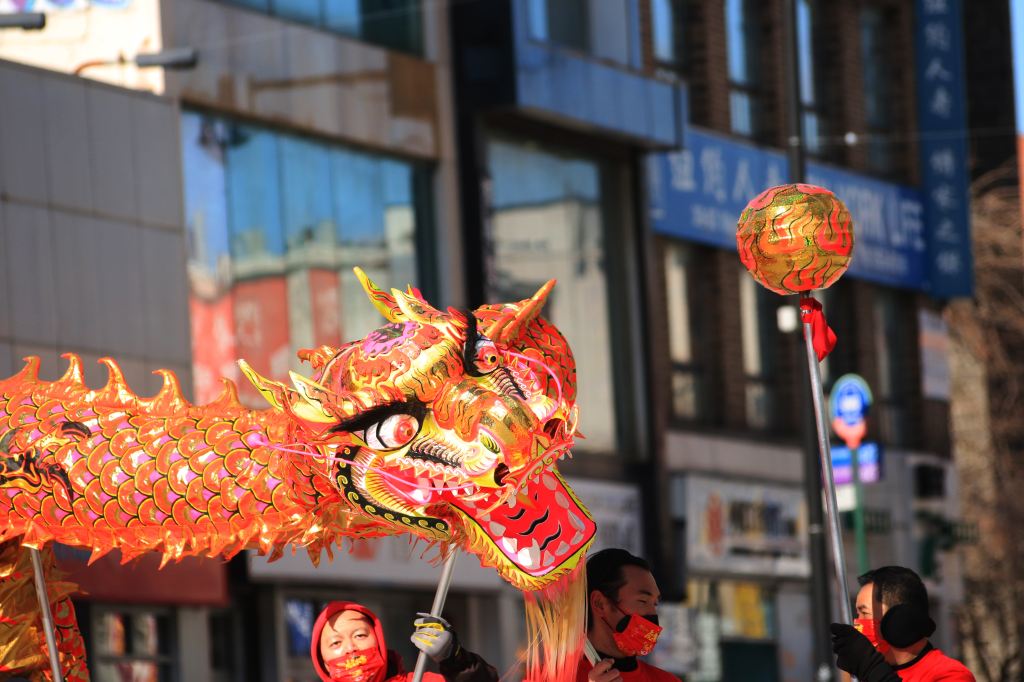
The Chinese Dragon Dance is a mesmerizing blend of art, culture, and tradition. Often performed during major celebrations like Chinese New Year or grand openings, it has become an iconic symbol of good fortune and prosperity. But beyond the dazzling movements and rhythmic drumbeats lies a fascinating story that captivates audiences worldwide.
Content Table:
- The Origins and History of the Dragon Dance
- Symbolism of the Dragon Dance
- Behind the Spectacle: How the Dragon Dance is Performed
- The Making of a Dragon
- Where to See the Dragon Dance: Festivals and Locations
- Dragon Dance vs. Western Dragons
- Modern Innovations and Global Appeal
- Why the Dragon Dance Captures Hearts Worldwide
The Origins and History of the Dragon Dance
The Dragon Dance dates back over 2,000 years to ancient China, where dragons symbolized power, wisdom, and good luck. Unlike the fearsome creatures in Western folklore, Chinese dragons are benevolent beings believed to control water, rain, and agricultural success. Early dragon dances were performed as rituals to summon rain or celebrate bountiful harvests. Over time, this ritual evolved into an art form deeply rooted in Chinese festivals and celebrations.
Symbolism of the Dragon Dance
Every movement of the Dragon Dance carries meaning. The dance is performed to drive away evil spirits and welcome blessings of good fortune, health, and happiness. During Chinese New Year, it is believed that the longer the dragon in the dance, the greater the luck it will bring.
The dragon itself is a combination of many powerful animals: the horns of a stag, the claws of an eagle, and the scales of a fish. Each detail reflects a connection to strength, courage, and prosperity.
Behind the Spectacle: How the Dragon Dance is Performed
The Dragon Dance is a team effort, typically requiring 8 to 10 performers to maneuver the dragon, which can stretch anywhere from 9 to 70 meters long. The dragon is mounted on poles, with each performer responsible for a specific segment. Precision and teamwork are essential, as the group must synchronize their movements to mimic a dragon’s fluid, serpentine motion.
The performance is accompanied by the deafening beats of drums, gongs, and cymbals, which not only energize the dancers but also symbolize scaring away bad spirits.
The Making of a Dragon
A dragon used in the dance is a masterpiece of craftsmanship. Traditionally, the frame is made of bamboo, while the body is covered with brightly colored fabric adorned with intricate designs. The choice of colors and patterns is highly symbolic—red for good fortune, gold for wealth, and green for health.
Some modern dragon dances incorporate LED lights to create a glowing, ethereal effect, blending traditional elements with contemporary aesthetics.
Where to See the Dragon Dance: Festivals and Locations
The Chinese Dragon Dance takes center stage at many major festivals, offering an unforgettable experience for those who witness it. Here are some of the best opportunities to see this vibrant tradition in action:
- Hong Kong Chinese New Year Parade: Held in Tsim Sha Tsui, this internationally renowned parade features stunning Dragon Dances alongside elaborate floats and cultural performances.
- San Francisco Chinese New Year Festival and Parade: The largest celebration of its kind outside Asia, this event showcases a 288-foot-long Golden Dragon carried by over 100 performers.
- Beijing’s Temple Fairs: During Lunar New Year, temple fairs like the one in Ditan Park come alive with Dragon Dances, traditional music, and festive foods.
- Singapore’s Chingay Parade: A multicultural extravaganza where illuminated dragons blend tradition with modernity, creating a dazzling night spectacle.
If you’re outside Asia, Chinatown districts in cities like London, New York, and Vancouver host vibrant Lunar New Year celebrations with impressive Dragon Dance performances.
For a truly immersive experience, plan your visit during Chinese New Year or other traditional festivals. Whether you’re watching a dazzling night parade in Singapore or enjoying the energy of San Francisco’s iconic Golden Dragon, these events offer a perfect way to connect with Chinese culture.
Dragon Dance vs. Western Dragons
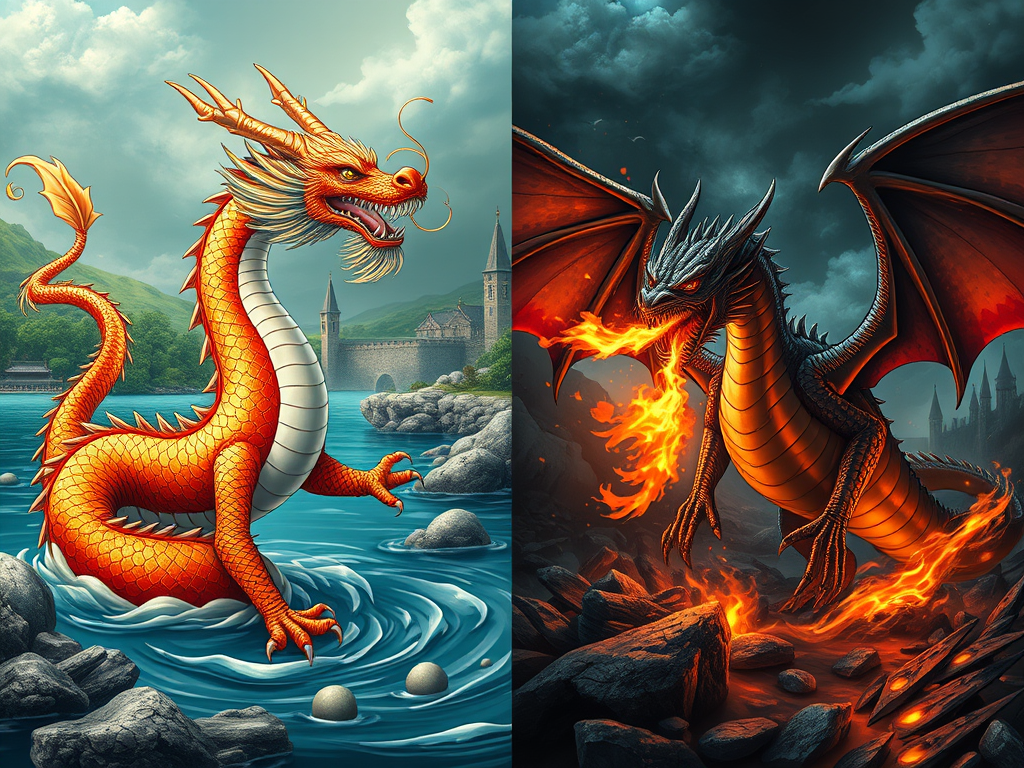
One aspect that intrigues many Western audiences is the stark contrast between Chinese and Western dragon lore. In the West, dragons are often depicted as villains—fire-breathing monsters to be vanquished by knights. In Chinese culture, dragons are revered as protectors and bringers of prosperity. This difference highlights the unique ways cultures interpret mythical creatures.
Modern Innovations and Global Appeal
The Dragon Dance continues to evolve, incorporating modern elements like illuminated dragons and even drone-assisted performances. It has also become a popular feature in international festivals, including Chinese New Year celebrations in cities like London, San Francisco, and Sydney. These performances help to share this vibrant tradition with global audiences, fostering appreciation for Chinese culture.
Why the Dragon Dance Captures Hearts Worldwide
The Chinese Dragon Dance is more than just a performance—it’s a celebration of community, tradition, and hope for a brighter future. Its vivid colors, energetic movements, and rich symbolism make it a universal spectacle that transcends cultural boundaries.
Next time you see the sinuous, rhythmic motion of a dragon dance, know that it’s more than just a show—it’s a vibrant piece of Chinese heritage that has inspired and awed people for centuries.



 Culture to Know