Chinese New Year, also known as the Spring Festival (春节, Chūnjié), is the most important holiday in China and many other Asian countries. The celebration lasts 15 days, filled with traditions that bring good fortune, happiness, and prosperity for the year ahead. Here’s a day-by-day guide to experiencing Chinese New Year like a local!
Before Chinese New Year (Lunar December 23-29) – Pre-Festival Preparations
In the days leading up to New Year’s Eve, families prepare by cleaning their homes (to sweep away bad luck), shopping for decorations, and buying gifts.
Key Traditions:
✅ Deep Cleaning (扫尘, Sǎo chén) – Sweeping away misfortune from the past year.
✅ Putting Up Red Decorations – Red couplets, lanterns, and paper cuttings for luck.
✅ Buying New Clothes – Symbolizing a fresh start.
✅ Stocking Up on Food & Fireworks – Markets are packed with festive ingredients.
Chinese New Year’s Eve (除夕, Chúxī) – Family Reunion & New Year’s Feast
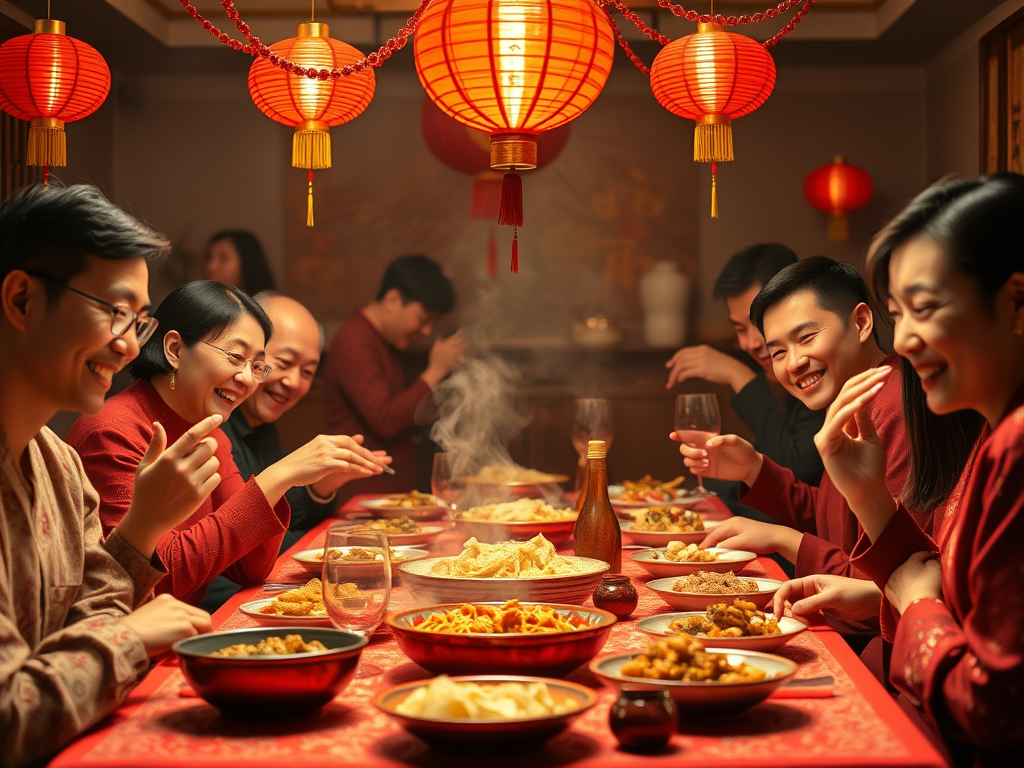
This is the most important day of the festival. Families gather for a reunion dinner (年夜饭, Nián yè fàn), watch the Spring Festival Gala, and stay up late to welcome the New Year.
Key Traditions:
🎇 Reunion Dinner – The biggest feast of the year, featuring fish (symbolizing abundance), dumplings, and longevity noodles.
🎇 Giving Red Envelopes (红包, Hóngbāo) – Elders give money to children and younger relatives.
🎇 Setting Off Fireworks – To scare away evil spirits and welcome good fortune.
🎇 Staying Up Late (守岁, Shǒusuì) – To ensure a long life for parents.
Day 1: Welcoming the New Year (大年初一, Dà nián chū yī)
People wake up early, wear new clothes, and exchange blessings with family and friends. It’s a day of joy, filled with visits and festivities.
Key Traditions:
🐉 Visiting Family & Friends – Sharing blessings like “Gōng xǐ fā cái” (Wishing you prosperity!).
🐉 Fireworks & Dragon or Lion Dances – Cities are alive with celebrations.
🐉 No Cleaning or Washing – To avoid “washing away” good luck.

Day 2: Visiting In-Laws & Honoring the God of Wealth
This day is especially important for married women, who visit their parents and relatives. It is also known as the Day of the God of Wealth (财神日, Cáishén Rì), when businesses pray for prosperity.
Key Traditions:
💰 Offering Prayers to the God of Wealth – To invite financial success.
💰 Married Daughters Visit Parents – A rare occasion in the past when women could return home.
💰 Eating Dumplings – To attract wealth.
Day 3: Avoid Visiting (赤狗日, Chìgǒu Rì) – The Day of Arguments
This is considered an inauspicious day for socializing, as it’s believed arguments can arise. Many people stay home to avoid conflicts.
Key Traditions:
🚫 No Visiting Friends or Relatives – To prevent quarrels.
🚫 Burning Paper Offerings – Honoring ancestors.
🚫 Avoiding Sharp Objects – To prevent bad luck.
Day 4: Welcoming the Kitchen God’s Return
It’s believed that the Kitchen God (灶王爷, Zào Wáng Yé), who reports on a family’s behavior to the Jade Emperor, returns from heaven on this day. Families prepare offerings to welcome him back.
Key Traditions:
🔥 Setting Up Offerings – Incense, fruits, and sweets.
🔥 Businesses Prepare to Reopen – Praying for a prosperous year ahead.
Day 5: Breaking Taboos & Celebrating the God of Wealth
On the fifth day, families can finally clean their homes again and set off firecrackers to chase away misfortune. It’s also known as the Birthday of the God of Wealth (财神生日, Cáishén Shēngrì), making it an important day for businesses.
Key Traditions:
💥 Firecrackers to Chase Away Bad Luck – People finally clean and take out the trash.
💥 Businesses Reopen – Prayers for a prosperous year.
💥 Eating Dumplings – Resembling gold ingots for wealth.
Days 6-10: Social Visits & Temple Prayers
These days are all about visiting friends, going to temples, and enjoying the festive atmosphere. People also pray for good health and success.
Key Traditions:
🏮 Temple Visits – Offering incense for blessings.
🏮 Inviting Good Luck – Hosting family and friends.
🏮 Outdoor Celebrations – Fireworks and performances.
Day 11-14: Preparing for the Lantern Festival
The focus shifts to preparing for the Lantern Festival (元宵节, Yuánxiāo Jié), which marks the end of the celebrations. People start making tangyuan (glutinous rice balls) and decorating their homes with lanterns.
Key Traditions:
🌕 Making & Eating Tangyuan – Symbolizing family unity.
🌕 Setting Up Lanterns – Especially in temples and public spaces.
Day 15: The Lantern Festival (元宵节, Yuánxiāo Jié) – The Grand Finale
The Lantern Festival marks the official end of the New Year celebrations. Cities are lit up with colorful lanterns, and people gather to enjoy the festive atmosphere.
Key Traditions:
🏮 Lighting Lanterns – Symbolizing hope and new beginnings.
🏮 Solving Lantern Riddles – A fun and intellectual tradition.
🏮 Dragon & Lion Dances – Bringing prosperity and good fortune.
🏮 Eating Tangyuan – Sweet rice balls for family togetherness.

Final Thoughts
Celebrating Chinese New Year is a deeply meaningful experience filled with family, food, traditions, and festivities. Whether you’re enjoying a reunion dinner, setting off fireworks, or admiring lanterns, each day of the 15-day festival is packed with customs that bring joy, luck, and prosperity for the year ahead.
Happy Chinese New Year! 🎉🐉🏮 新年快乐 (Xīnnián Kuàilè)!



 Culture to Know