Chinese New Year, also known as the Spring Festival or Lunar New Year, is one of the most important and widely celebrated festivals in China and among Chinese communities worldwide.
This vibrant and joyous occasion is steeped in rich traditions and customs that have been passed down through generations.
In this article, we will explore the top 15 Chinese New Year traditions and customs that reflect the deep-rooted cultural significance of this festive season. Each tradition carries its own symbolism, from cleansing away the old to welcoming the new with joy and unity.
1. Spring Cleaning (Sweeping Away Bad Luck)
Spring cleaning before Chinese New Year is a meticulous process that goes beyond ordinary tidying. Families engage in a deep cleaning of their homes, sweeping away dust and clutter.
This practice symbolizes the removal of any lingering bad luck and negativity from the previous year, making space for good fortune and positive energy to enter their lives.
However, it’s important to note that cleaning during the first few days of the New Year is avoided as it’s believed to sweep away the good luck that has just arrived.
2. Decorating with Red
The color red is not just a decorative choice during Chinese New Year; it carries deep cultural significance.
Red symbolizes happiness, good luck, and prosperity in Chinese culture.
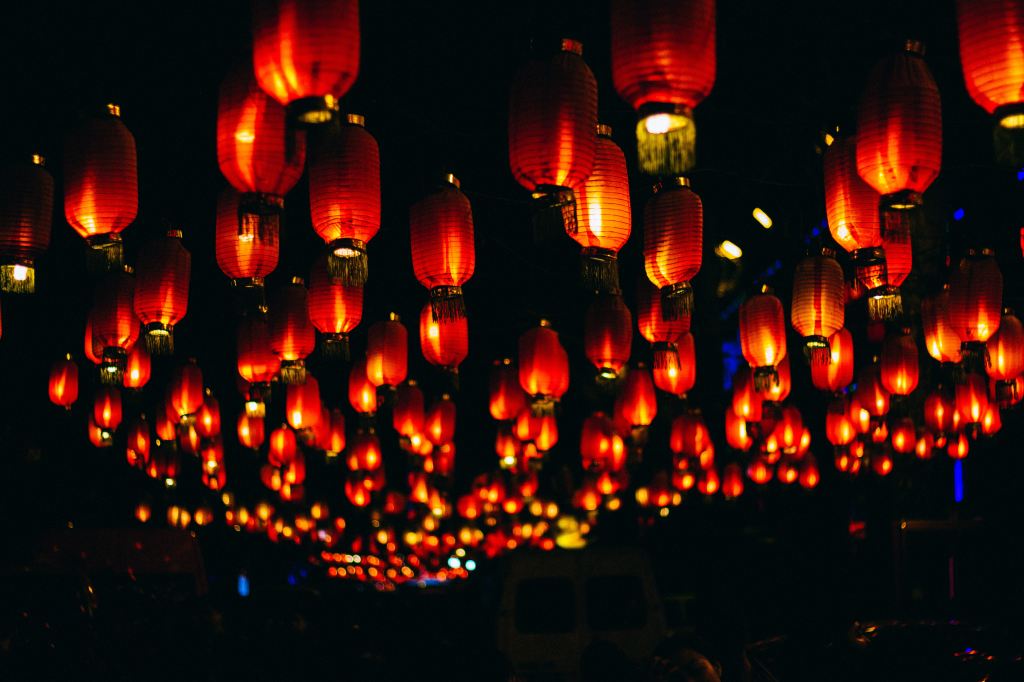
Homes are adorned with various red decorations, including lanterns, couplets, and posters featuring auspicious sayings and symbols.
3. Giving Red Envelopes (Hongbao)
Red envelopes, known as “hongbao” in Mandarin, are a beloved Chinese New Year tradition. These envelopes, usually red in color, contain money and are given by elders to children, as well as to unmarried adults, as a symbol of good luck and blessings for the year ahead.
The act of giving and receiving red envelopes is a gesture of love, care, and best wishes within families and communities.
4. Reunion Dinner
The reunion dinner on the eve of Chinese New Year is a heartwarming and significant tradition. Families come together from near and far to share a festive meal.
Traditional dishes like dumplings, fish, and sticky rice cakes are commonly served during this dinner. Each dish holds symbolic meaning, such as fish representing abundance and prosperity.
This meal not only signifies family unity but also welcomes the coming year with hope and togetherness.
5. Lion and Dragon Dances
Lion and dragon dances are dynamic and vibrant performances that are an integral part of Chinese New Year celebrations.
These dances involve performers dressed as lions or dragons, accompanied by drummers and cymbal players.
The loud music and intricate choreography are believed to ward off evil spirits and bring good fortune for the year ahead. Firecrackers are often set off during these parades, adding excitement and energy to the festivities.
6. Lighting Firecrackers and Fireworks
Firecrackers and fireworks are integral to Chinese New Year celebrations. The loud and colorful explosions are believed to scare away evil spirits and bad luck while welcoming the New Year with joy and festivity.
The tradition of lighting firecrackers dates back centuries and is considered a way to ensure a prosperous start to the year.
7. The Kitchen God Ritual
Approximately a week before Chinese New Year, families perform the Kitchen God Ritual. The Kitchen God, believed to oversee the household’s affairs, is given offerings of sweet treats, such as honey or sticky rice cakes.
This is done to ensure that the Kitchen God reports favorably on the family’s behavior to the Jade Emperor, the ruler of heaven, during his annual visit.
8. Giving and Receiving Gifts
Exchanging gifts is a cherished tradition during Chinese New Year. While the choice of gifts can vary, certain items hold special meaning. Mandarin oranges and other fruits are popular gifts because their names sound similar to words representing wealth and prosperity.
Gifts are often given and received in pairs, as even numbers are associated with good luck and happiness.
9. Visiting Family and Friends
Chinese New Year is a time for family reunions. People make an effort to visit the homes of relatives and close friends to exchange greetings and well-wishes.
This practice fosters a sense of unity and strengthens social bonds. When visiting, it’s customary to bring gifts, such as fruit or sweets, for the hosts, symbolizing a wish for a sweet and fruitful year ahead.
10. Ancestor Worship
Ancestor worship is a solemn and essential aspect of Chinese New Year. Families visit ancestral gravesites to pay their respects to deceased relatives.
They clean the graves, offer food, incense, and burn symbolic paper money as offerings. This practice not only honors ancestors but also seeks their blessings and protection for the family in the coming year.
11. Traditional Clothing
During Chinese New Year, many people choose to wear traditional clothing that holds cultural significance. For women, the qipao is a popular choice, known for its elegant design.
Men often wear the changshan, characterized by its simplicity and formality. These outfits are typically in red or other auspicious colors, reinforcing the belief in attracting good fortune and warding off evil spirits.
12. Temple Visits
Visiting temples during Chinese New Year is a spiritual tradition. People go to temples to pray for good health, prosperity, and success in the year ahead.
Lighting incense, making offerings, and seeking blessings from deities are common practices during temple visits. The atmosphere is filled with devotion and hope for a favorable year.
13. Watching the CCTV New Year’s Gala
On the eve of Chinese New Year, millions of people across China and beyond tune in to watch the CCTV New Year’s Gala. This televised variety show features a wide array of performances, including music, dance, comedy, acrobatics, and more.
It has become a beloved tradition for many Chinese families, providing entertainment and a sense of togetherness as they welcome the new lunar year.
14. Nian Gao (Sticky Rice Cake)
Nian Gao, a sticky rice cake, is a popular Chinese New Year treat. Its name sounds like the phrase “year high” in Chinese, signifying upward progress and growth.
Families often prepare and enjoy this sweet and chewy delicacy during the celebrations, believing it will lead to greater prosperity in the coming year.
15. Lantern Festival
Chinese New Year celebrations culminate with the Lantern Festival, which occurs on the 15th day of the first lunar month. This festival is marked by the display of beautifully crafted lanterns, both traditional and contemporary, in homes, streets, and public spaces.
People also enjoy solving riddles written on lanterns, adding an element of fun and intellectual challenge to the festivities. The Lantern Festival symbolizes the end of the Chinese New Year period and a fresh start for the year ahead.



 Culture to Know