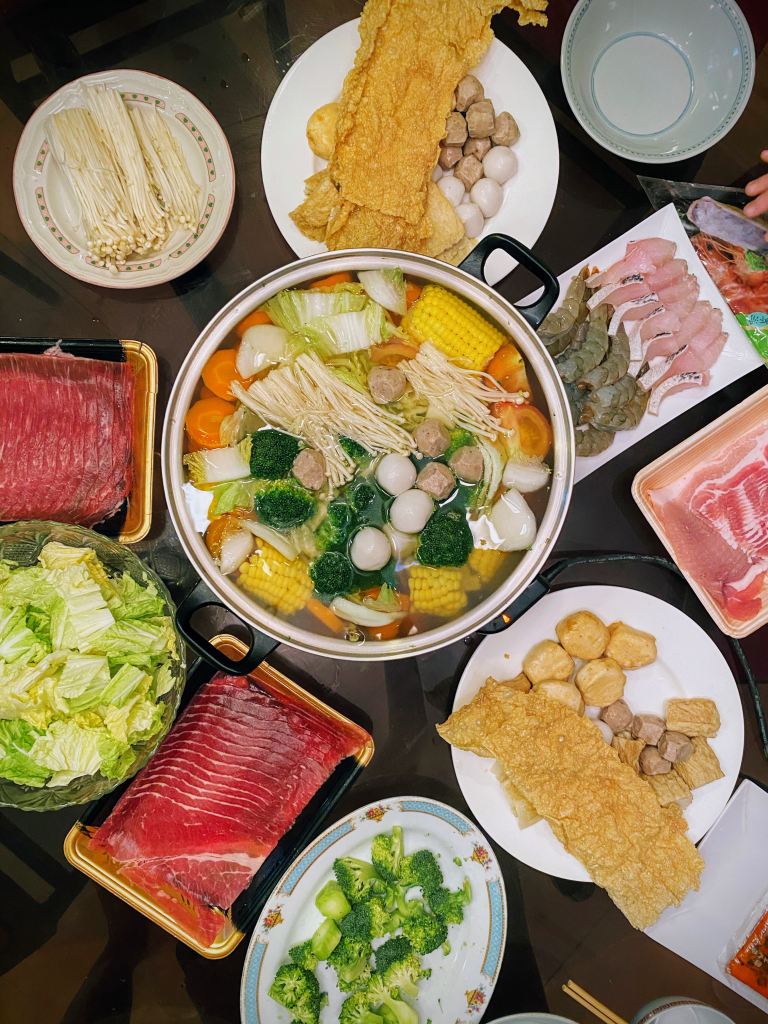
The Chinese New Year, also known as the Spring Festival or Lunar New Year, is one of the most important and widely celebrated holidays in Chinese culture.
This festive occasion is steeped in tradition, symbolism, and, of course, delicious food. Food plays a central role in Chinese New Year celebrations, with each dish carrying special significance and wishes for the year ahead.
Let’s explore the top 10 Chinese New Year foods that are a must-try during this joyous time.
1. Nian Gao (Sticky Rice Cake)
Nian Gao, also known as “Chinese New Year cake” or “rice cake,” is a must-have delicacy during the Spring Festival. The Chinese word “Nian” means “year,” and “Gao” sounds like the word for “high” or “tall.” Therefore, eating Nian Gao symbolizes raising oneself to new heights in the coming year. It is typically made from glutinous rice and can be steamed, fried, or even sliced and added to savory dishes.
2. Jiaozi (Dumplings)
Jiaozi, or dumplings, are a staple during Chinese New Year celebrations. These small pockets of dough are filled with various ingredients, such as pork, cabbage, and mushrooms, and are often shaped like gold or silver ingots. Eating dumplings is believed to bring wealth and prosperity because they resemble ancient Chinese currency.
3. Tangyuan (Sweet Rice Balls)
Tangyuan are sweet rice balls served in a syrupy soup. These round, sticky rice balls represent family unity and togetherness. The pronunciation of “Tangyuan” sounds similar to the Chinese word for “reunion,” making it an essential dessert for Chinese New Year.
4. Yu (Fish)
Fish is a symbol of abundance and prosperity in Chinese culture. The Chinese word for fish, “Yu,” sounds like the word for surplus or abundance. Whole fish, usually steamed or braised, is commonly served during the New Year’s feast to wish for surplus and good fortune in the year ahead.
5. Ji (Chicken)
Chicken dishes, particularly those served whole, are popular during Chinese New Year as a symbol of family and unity. The word for chicken, “Ji,” also sounds similar to “luck” in Mandarin, making it a fortunate choice for the festive table.
6. Chunjuan (Spring Rolls)
Chunjuan, or spring rolls, are often eaten during the Spring Festival because they symbolize wealth and prosperity. Their shape and color resemble gold bars, and they are filled with various ingredients like vegetables, pork, or shrimp, providing a delightful burst of flavors.
7. Sheng Cai (Lettuce)
Lettuce, or “Sheng Cai,” sounds like the phrase “生财” (shēng cái), which means “to make money.” Eating lettuce is thought to symbolize the growth of wealth and financial prosperity.
8. Noodles
Long noodles, such as longevity noodles, are often served uncut during Chinese New Year meals. The length of the noodles represents a long and prosperous life. These noodles are typically stir-fried or served in a flavorful broth.
9. Fruits
Fruits like oranges, tangerines, and pomelos are commonly exchanged and displayed during the New Year celebrations. These fruits symbolize good luck, wealth, and prosperity due to their round shape and vibrant colors.
10. Fa Gao (Prosperity Cake)
Fa Gao, also known as “prosperity cake” or “fortune cake,” is a steamed cupcake traditionally enjoyed during the Lunar New Year. It is characterized by its vibrant colors and puffy tops. The cake’s rising process symbolizes the growth of wealth and success in the coming year.
These top 10 Chinese New Year foods are not only delicious but also rich in symbolism and tradition. As you gather with family and friends to celebrate the Spring Festival, be sure to include these dishes in your feast to usher in a year filled with prosperity, good fortune, and happiness. Gong Xi Fa Cai (恭喜发财) – Wishing you a prosperous and joyful Chinese New Year!




 Culture to Know