Chinese New Year, also known as the Spring Festival or Lunar New Year, is one of the most significant and widely celebrated festivals in the world.
Rooted in centuries of tradition and culture, this festival marks the beginning of the lunar new year and is a time for families to come together, honor their ancestors, and welcome a fresh start.
In this article, we will delve into the various aspects of Chinese New Year, from its history and customs to delicious cuisine and age-old superstitions.
Content Table:
- Chinese New Year Date & When is Chinese New Year 2025?
- Chinese Zodiac
- How Long Does the Chinese Lunar New Year Celebration Last?
- Chinese New Year Origin and Myths
- Chinese New Year Traditional Customs
- Chinese New Year Food and Cuisine
- Chinese New Year Superstitions and Beliefs
- Chinese New Year Gifting and Giving
- Spring Festival Travel (Chunyun)
- Chinese New Year Greetings
Chinese New Year Date & When is Chinese New Year 2025?
Chinese New Year is a movable festival, as its date is determined by the lunar calendar. The celebration typically falls between January 21st and February 20th, depending on the year. In 2025, Chinese New Year will be celebrated on January 28th, ushering in the Year of the Snake.
Chinese Zodiac
The Chinese zodiac plays a significant role in Chinese New Year celebrations. The zodiac consists of 12 animal signs, each associated with a year in a 12-year cycle. The year you are born in determines your zodiac sign, and each sign has its own unique characteristics.
2025 is the year of the Snake. In Chinese culture, the Snake is a symbol of wisdom, elegance, and mystery.
How Long Does the Chinese Lunar New Year Celebration Last?
The Chinese Lunar New Year celebration lasts 16 days if you include New Year’s Eve, which is a critical part of the festivities. It begins on the evening of New Year’s Eve (Chúxī) with family reunions and continues for 15 days, ending with the Lantern Festival.
Here’s an overview of the key events:
- New Year’s Eve (除夕, Chúxī): Family reunions, a big feast, and staying up late for the countdown.
- New Year’s Day (初一, Chūyī): Visiting family and honoring elders.
- Days 2–7: Visits to relatives and friends, enjoying traditional foods, and various regional customs.
- Day 5 (破五, Pò Wǔ): Considered the day to welcome the God of Wealth.
- Day 15 (元宵节, Yuánxiāo Jié): The Lantern Festival, celebrated with lantern displays and tangyuan (glutinous rice balls).
While some people might scale down the celebration to a few days due to work schedules, traditional festivities continue for the full two weeks in many places.
Chinese New Year Origin and Myths
The origin of Chinese New Year can be traced back thousands of years to ancient myths and legends.
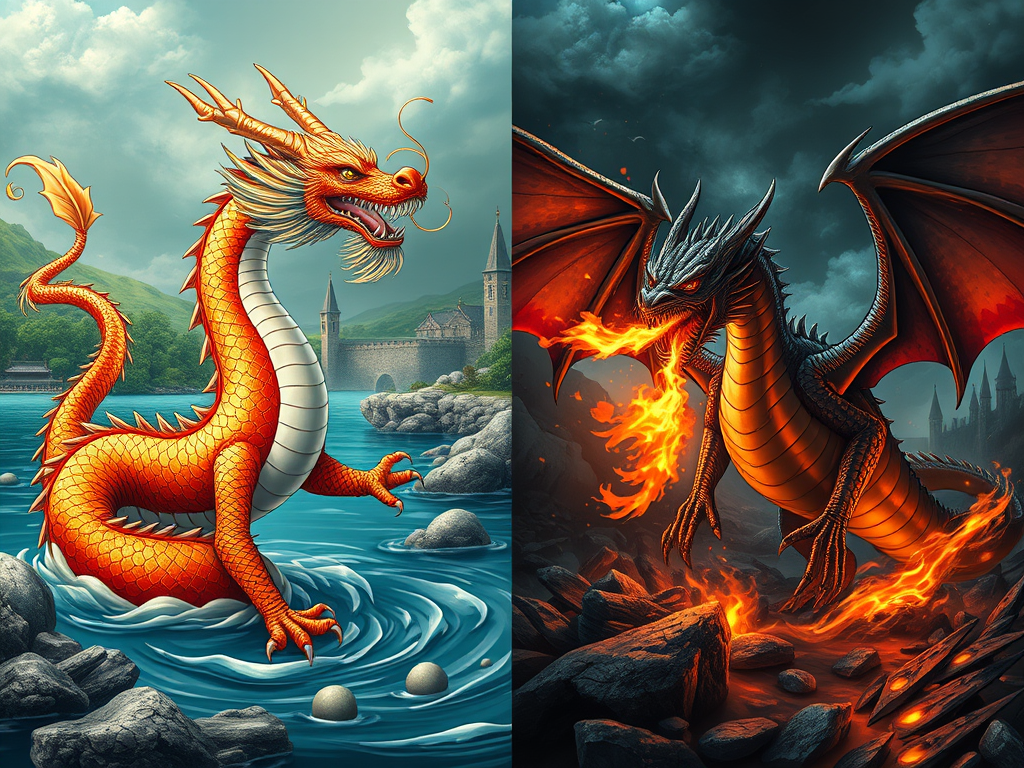
One popular legend tells the story of a mythical beast called Nian, who would terrorize villages. People soon discovered that Nian was afraid of the color red and loud noises.
This led to the tradition of hanging red lanterns and setting off fireworks to scare away evil spirits.
Chinese New Year Traditional Customs
Chinese New Year is rich in traditional customs and rituals. Here’s some of the key customs associated with this important holiday:
1. Reunion Dinner (年夜饭 – Nián Yè Fàn)
The Reunion Dinner is the most important meal of the year for Chinese families. It takes place on New Year’s Eve and symbolizes the unity and togetherness of the family.
Family members come from near and far to enjoy a sumptuous feast that typically includes dishes with symbolic meanings. Fish is a common dish, as its Chinese pronunciation (鱼 – yú) sounds like the word for surplus, symbolizing abundance in the coming year.
2. Red Envelopes (红包 – Hóngbāo)
Red envelopes, also known as “hongbao” or “lai see” in Cantonese, are red envelopes containing money. These are given by elders to children and unmarried individuals to wish them good luck and prosperity in the new year.
The red color symbolizes happiness and good fortune, and the amount of money is usually given in even numbers to bring good luck.
3. Dragon and Lion Dances
These colorful and lively performances are an integral part of Chinese New Year celebrations. The dragon dance involves a team of performers manipulating a long dragon costume to mimic the movements of a mythical dragon.
The lion dance features one or more performers inside a lion costume who mimic the lion’s movements and interact with the audience. Both dances are believed to ward off evil spirits, bring good luck, and ensure a prosperous year ahead. The loud drums and cymbals used during these dances are also thought to drive away negative energy.
4. Fireworks and Firecrackers
Lighting fireworks and firecrackers is a traditional way to celebrate Chinese New Year and scare away bad luck. The loud noises and bright lights are believed to drive away evil spirits and negative energy.
However, it’s important to note that due to safety and environmental concerns, the use of fireworks and firecrackers has been regulated in many urban areas.
5. Cleaning and Decorating
Before Chinese New Year, homes are thoroughly cleaned to sweep away bad luck and make way for good fortune. Red decorations, such as lanterns, couplets with auspicious sayings, and paper cuttings, are hung throughout the house to attract positive energy.
Doorways are often adorned with “chunlian” (春联), which are red paper scrolls with rhyming phrases that express good wishes for the new year.
6. Wearing New Clothes
Wearing new and brightly colored clothing is a cherished tradition during the festival. Red, in particular, is the dominant and most favored color because it symbolizes luck and happiness in Chinese culture. People purchase new outfits, often featuring traditional Chinese designs, intricate embroidery, and vibrant patterns, to welcome the New Year with a fresh start and positive energy.
7. Visiting Relatives and Friends (拜年, Bàinián)
During the first days of the New Year, people visit loved ones, offering greetings like “Gong Xi Fa Cai” (恭喜发财), meaning “wishing you wealth and prosperity.”
8. Temple Visits
Many people visit temples, especially on the first day of the Lunar New Year, to pray for health, wealth, and happiness in the coming year. They may light incense, offer prayers and offerings, and seek blessings from the gods and ancestors. Temples are often beautifully decorated with lanterns and other festive decorations during this time.
Chinese New Year Food and Cuisine
Food is a central element of Chinese New Year celebrations, with each dish holding symbolic meaning. Some popular dishes include:
- Dumplings: Shaped like ancient Chinese money, dumplings symbolize wealth.
- Nian Gao: A sweet rice cake that represents higher income and status.
- Fish: Served whole to symbolize abundance and surplus.
- Tangyuan: Sweet rice balls served in a soup, symbolizing family togetherness.
Chinese New Year Superstitions and Beliefs
Chinese New Year is rife with superstitions and beliefs, such as:
- Avoiding Sweeping: Sweeping on New Year’s Day may sweep away good luck.
- No Negative Words: Speaking negatively or using unlucky words should be avoided.
- Wearing Red: Red clothing is believed to ward off evil spirits.
- Avoiding Sharp Objects: Sharp objects like knives and scissors are avoided during the holiday to prevent cutting away good fortune.
- Opening Windows and Doors: On New Year’s Day, windows and doors are opened to allow good luck to enter homes, and negative energy is swept out.
Chinese New Year Gifting and Giving
Gift-giving during Chinese New Year carries profound symbolism, as it represents well-wishing and goodwill towards the recipient. People exchange gifts to express their hopes for a prosperous and auspicious year ahead. Some of the most common Chinese New Year gifts exchanged during this time include:
- Fresh Fruit: Oranges, tangerines, and pomelos are popular choices due to their round shape and vibrant color, which symbolize fullness and wealth.
- Traditional Snacks: Boxes of traditional Chinese New Year snacks, such as sweet rice cakes (nian gao) and crispy dumplings (jiaozi), are often shared with family and friends.
- Red Envelopes (Hongbao): These red envelopes, known as hongbao, are filled with money and given to children, unmarried relatives, or friends. The red color signifies good luck and wards off evil spirits.
- Small Tokens of Appreciation: Decorative items like auspicious figurines, lucky charms, and zodiac-themed gifts are exchanged to bring good fortune and happiness.
Spring Festival Travel (Chunyun)
The Spring Festival travel rush, known as Chunyun, is a staggering display of the importance of family during Chinese New Year. It stands as the world’s largest annual human migration, as millions of people embark on journeys to reunite with their loved ones. This mass movement leads to overcrowded trains, buses, and highways as families travel great distances, sometimes across the country, to be together for this special occasion. Chunyun serves as a poignant reminder of the significance of family bonds in Chinese culture.
Finally, the exchange of warm greetings is a fundamental part of Chinese New Year celebrations.
Chinese New Year Greetings
When greeting each other during Chinese New Year, people often express heartfelt wishes and blessings. Two common greetings are:
- “Xin Nian Kuai Le” (新年快乐): This phrase translates to “Happy New Year” and is the equivalent of offering warm wishes for joy and happiness in the coming year.
- “Gong Xi Fa Cai” (恭喜发财): This greeting conveys wishes for prosperity and wealth. It is often heard during the festive period as people hope for financial success in the upcoming year.



 Culture to Know
Leave a comment