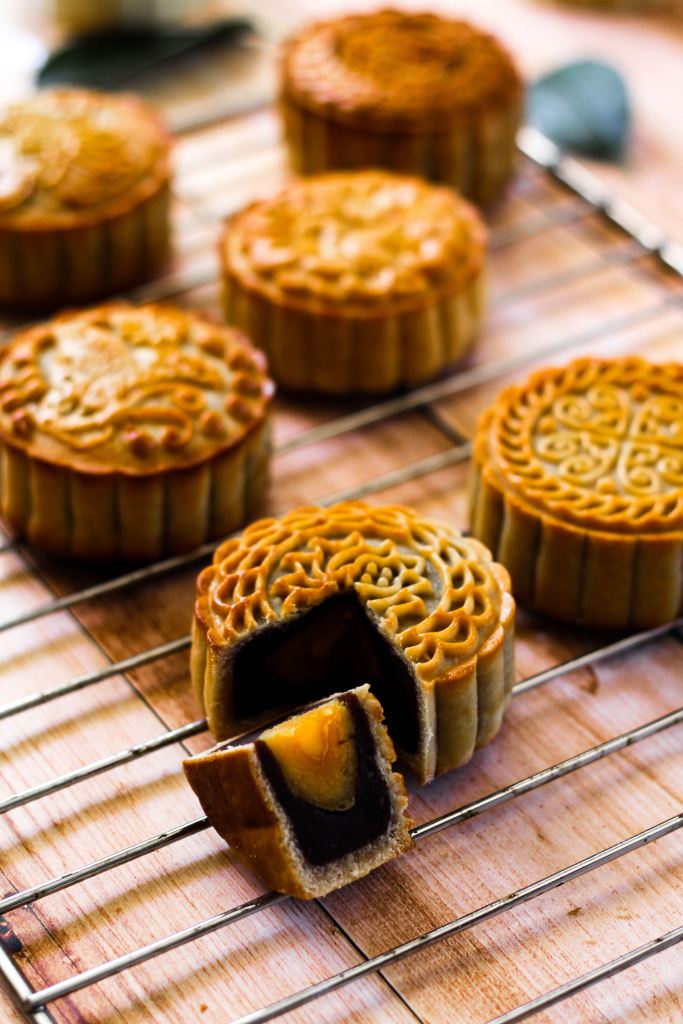
As the leaves turn from vibrant greens to warm hues of red and gold, and the crisp autumn air signals the approaching change of seasons, many cultures around the world gather to celebrate the Mid-Autumn Festival.
This cherished holiday, also known as the Moon Festival, Mooncake Festival or Zhongqiujie, holds deep cultural and historical significance across Asia, particularly in countries like China, Vietnam, and Korea.
Marked by family reunions, mooncakes, and the soft glow of lanterns, the Mid-Autumn Festival is a time to honor tradition, share stories, and revel in the beauty of the harvest moon.
When is Mid-Autumn Festival celebrated?
The Mid-Autumn Festival falls on the 15th day of the 8th month of the lunar calendar, which usually corresponds to late September or early October in the Gregorian calendar.
In 2023, the Mid-Autumn Festival falls on September 29th (Friday). Chinese people have a 2-day public holiday September 29th and 30th.
| Year | Date | Public Holiday |
|---|---|---|
| 2023 | September 29 (Friday) | Sep. 29 |
| 2024 | September 17 (Tuesday) | Sep. 17 to 18 |
| 2025 | October 6 (Monday) | Oct. 6 |
| 2026 | September 25 (Friday) | Sep. 25 |
Why Mid-Autumn Festival is Celebrated?
Historically, the Mid-Autumn Festival was a time for farmers to celebrate the bountiful harvest and offer thanks to deities and spirits for their blessings. It was also a time to gather with family and friends, fostering a sense of togetherness.
Another central element of the celebration is the moon itself, which symbolizes unity and completeness in many Asian cultures.
How is Mid-Autumn Festival celebrated?
1. Mooncakes
Mooncakes are a central element of the Mid-Autumn Festival. These round pastries with various fillings are exchanged among friends, family, and colleagues as gifts, symbolizing unity and togetherness.
2. Lanterns
Lanterns are a key symbol of the festival. People of all ages light and carry lanterns, often in various shapes and sizes. Lantern processions or parades are organized in some places, creating a beautiful spectacle of illuminated colors.
3. Family Reunions
The festival is a time for family reunions. Family members gather to enjoy a meal together, often featuring special dishes and foods associated with the festival.
4. Appreciating the Moon
As the festival coincides with the full moon, it’s customary to go outdoors and admire the moon’s beauty, which is often considered a symbol of reunion and completeness.
People set up outdoor picnics, moon-gazing parties, and even poetry recitals dedicated to the moon.
5. Moon Worship
People may set up altars with offerings such as fruits, mooncakes (a traditional pastry), tea, and sometimes even burn incense as a way to honor and pay respects to the moon.
6. Dragon and Lion Dances
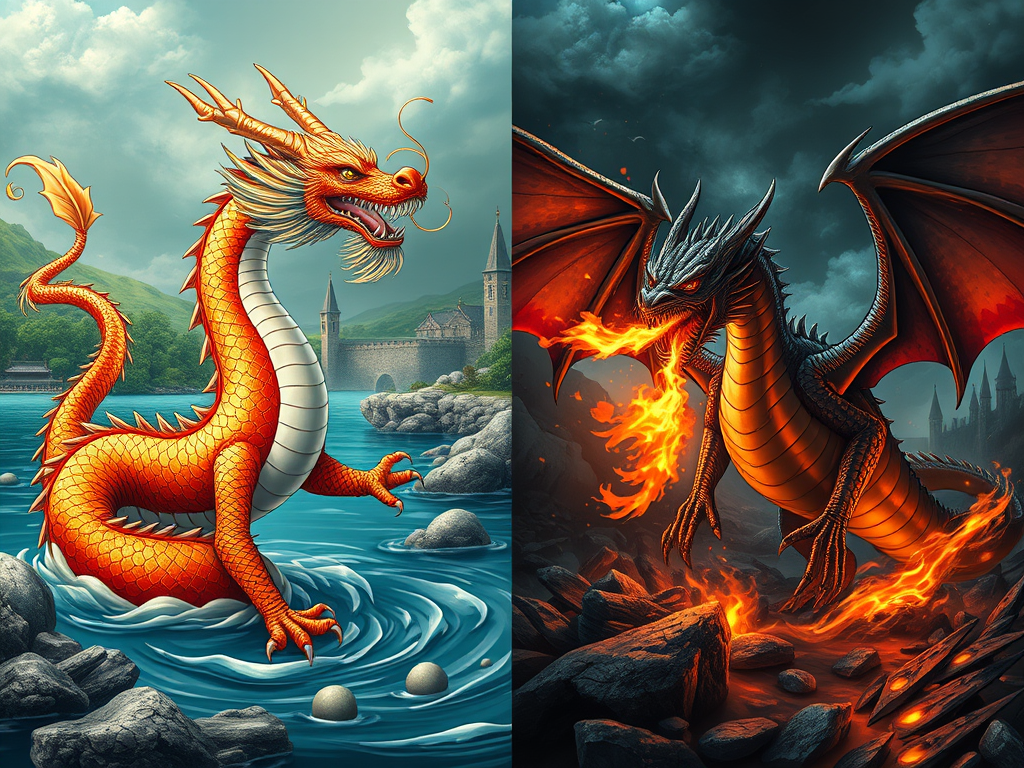
In certain regions, dragon and lion dances are performed to entertain the crowds and bring good luck. These performances involve dancers in intricate costumes moving to the beat of drums and other instruments.
7. Activities for Children
Children engage in various activities during the festival, such as making paper lanterns, solving riddles written on lanterns, and participating in traditional games.
Mid-Autumn Festival Stories: Legends Illuminating the Moonlit Skies
The Mid-Autumn Festival’s enchanting traditions are enriched by captivating stories passed through generations, providing insights into the cultural values of celebrating communities.
1. Chang’e and Houyi: Love, Sacrifice, and the Moon
Central to the festival is the poignant tale of Chang’e and Houyi. Houyi, a heroic archer, received an elixir of immortality. Chang’e, his wife, consumed it to save it from a thief, becoming the Moon Goddess. She’s separated from Houyi, leading to the tradition of mooncake offerings.
2. Wu Gang and the Endless Suffering
Wu Gang, banished to the moon for offending gods, endlessly chops a magical tree. This story highlights humility’s value and the consequences of arrogance.
3. The Jade Rabbit’s Selflessness
The Jade Rabbit, pounding herbs on the moon, selflessly offers itself as food to a beggar in disguise, showcasing compassion and altruism.
These stories, with timeless themes, add to cultural heritage, connecting generations beneath the moonlit skies.
What food is eaten in the Mid-Autumn Festival?
Mid-Autumn Festival is a time for families to come together, share meals, and celebrate the harvest moon.
Here are some traditional foods and dishes that are commonly enjoyed during the Mid-Autumn Festival:
- Mooncakes: Mooncakes are the highlight of the festival. These round pastries are filled with various sweet or savory fillings and are often intricately designed with patterns on top. Traditional fillings include lotus seed paste, red bean paste, and salted egg yolks. There are also modern variations with flavors like chocolate, green tea, and more.
- Pomelos: Pomelos are large citrus fruits that are often associated with the Mid-Autumn Festival. They symbolize abundance and prosperity. People may enjoy eating the sweet and fragrant flesh of the pomelo.
- Tea: Drinking tea is a common practice during the festival. Traditional Chinese tea, such as green tea or oolong tea, is often served to complement the rich flavors of mooncakes and other foods.
- Fruits: In addition to pomelos, other fruits like grapes, apples, and pears are also commonly enjoyed during the festival.
- Traditional pastries: Besides mooncakes, other traditional pastries like sweet rice cakes (nuomici) and osmanthus jelly are also popular choices.
- Nuts and seeds: Roasted nuts and seeds, such as melon seeds and peanuts, are often served as snacks during the festival.
- Savory dishes: While sweet treats are more commonly associated with the Mid-Autumn Festival, families may also prepare a variety of savory dishes for their gatherings, such as dumplings, steamed buns, and other festive delicacies.
Mid-Autumn Festival Greetings
During the Mid-Autumn Festival, heartfelt greetings are exchanged among friends and family.
One common greeting is “Zhongqiujie Kuaile!” which translates to “Happy Mid-Autumn Festival!” These greetings convey well-wishes for happiness, unity, and prosperity.



 Culture to Know