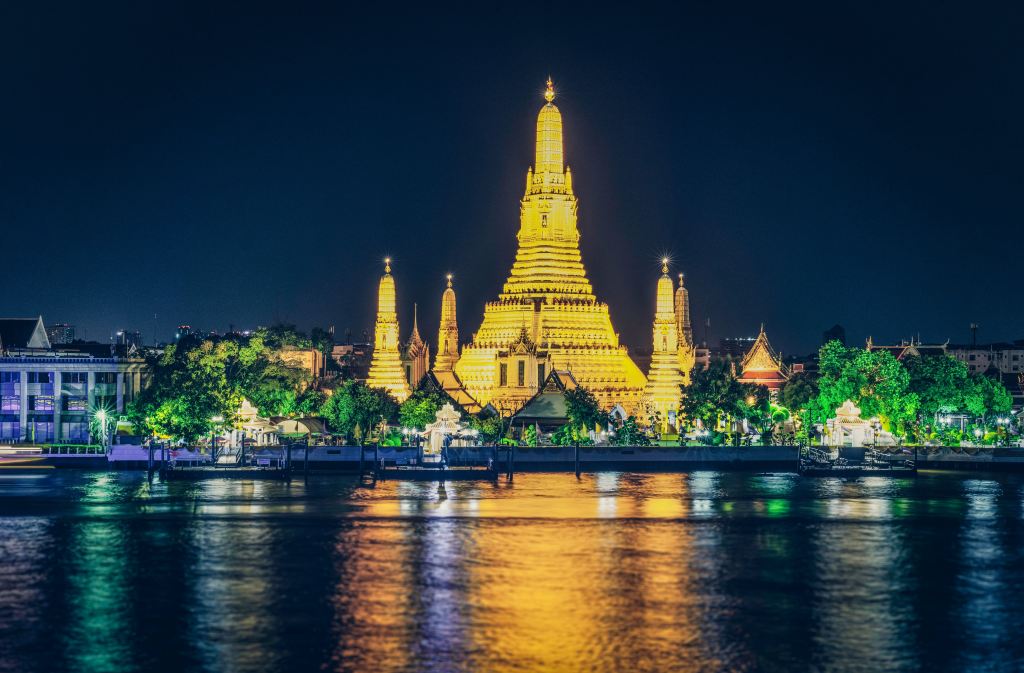
Amidst the tapestry of Thailand’s rich cultural heritage, the Loy Krathong festival stands as a beacon of light, floating its way through history while preserving the traditions and values that have defined it for centuries.
This enchanting festival, known for its picturesque scene of countless candlelit floats drifting along rivers and waterways, carries within its currents a fascinating history that dates back to ancient times.
Origins and Significance
The history of Loy Krathong can be traced back to the Sukhothai Kingdom, which thrived in what is now modern-day Thailand between the 13th and 15th centuries.
The festival, initially known as “Loy Prathip,” was believed to have been influenced by Hindu traditions before adapting and integrating Buddhist beliefs.
Loy Krathong is celebrated on the night of the full moon in the twelfth month of the Thai lunar calendar, usually falling in November.
The word “loy” means to float, while “krathong” refers to a small, intricately crafted vessel made from banana leaves, held together with pins, and adorned with flowers, candles, and incense sticks.
The ritual of releasing these krathongs into rivers, canals, and lakes is believed to carry away negative energies and troubles, while also symbolizing the letting go of past mistakes and misfortunes.
Cultural Evolution
Throughout its history, the Loy Krathong festival has undergone several transformations, reflecting the evolving cultural and religious landscape of Thailand.
Initially, the festival was deeply rooted in Brahmanic traditions, which were later harmonized with Buddhist practices to create a more syncretic celebration. This blending of beliefs showcases the cultural adaptability and tolerance that Thailand is renowned for.
Over time, Loy Krathong has grown beyond its religious origins to encompass a wider range of social and environmental significance.
oday, it serves as a way to honor the goddess of water, Mae Khongkha, as well as to express gratitude for the abundance she provides. Additionally, the festival fosters a sense of unity and community among the Thai people, as friends and families gather to release their krathongs and enjoy the festivities together.
Modern Celebrations
In the modern era, Loy Krathong has evolved into a vibrant and festive affair celebrated across Thailand and neighboring countries. The festival has become an integral part of the nation’s identity, with its captivating sights and sounds attracting tourists from around the world.
Elaborate parades, cultural performances, and firework displays are often organized to mark the occasion, creating a truly enchanting atmosphere.
However, in recent years, there has been increased awareness about the environmental impact of the festival, as the materials used in the krathongs can contribute to pollution in water bodies.
As a response, many communities have embraced eco-friendly alternatives, such as using biodegradable materials for the krathongs or opting for floating lanterns instead.
Preserving Traditions for Generations to Come
Loy Krathong stands as a testament to the resilience of tradition in the face of changing times. Its history intertwines with Thailand’s cultural tapestry, showcasing the nation’s ability to adapt and evolve while holding onto its roots.
As the festival continues to evolve, there is an emphasis on striking a balance between honoring the past and embracing the future.
Loy Krathong is more than just a festival; it’s a celebration of Thailand’s spirit and resilience. Through its captivating displays of candlelit krathongs adrift on serene waters, the festival encapsulates the essence of the Thai people’s respect for nature, their rich history, and their enduring sense of unity.
As the lights of Loy Krathong continue to illuminate the waters, they also illuminate the hearts and minds of those who participate, fostering a connection that transcends time and tradition.




 Culture to Know
Leave a comment